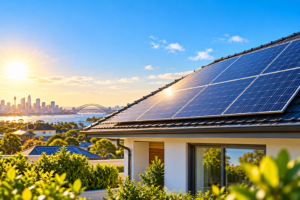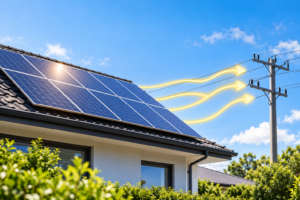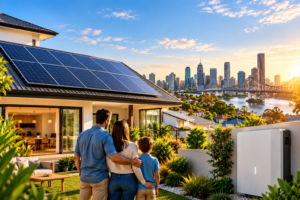

For larger homes, high-energy use households, or small businesses in Australia, a 10 kW solar system is one of the most effective ways to slash electricity bills, boost clean-energy independence, and maximise long-term return on investment. Whether you’re planning your first solar setup or upgrading, this guide breaks down everything you need to know.
📌 What Is a 10 kW Solar System?
A 10 kW (10,000 W) solar system refers to the total capacity of the solar panel array — meaning under peak sunlight it can produce up to about 10 kW of electrical power. These
systems generally need 24–30 panels and around 50–80 m² of roof space depending on panel size and layout.
This size is ideal for larger Australian homes with higher daily energy usage — for example families with electric vehicles, air conditioning, pool pumps and multiple appliances — or for small commercial properties.
💰 How Much Does a 10 kW Solar System Cost in Australia?
💸 Typical Installed Price (After Rebates)
Thanks to federal incentives like Small-scale Technology Certificates (STCs) and state rebates in some regions, the installed cost after rebates typically falls in the range of:
· $8,000 – $12,000+ AUD* for a quality 10 kW solar system without battery storage.
Actual pricing depends on: ✔ Solar panel brand and efficiency ✔ Inverter quality (standard or hybrid) ✔ Roof layout and installer rates ✔ Optional monitoring and smart energy features
Tip: Getting multiple quotes from accredited installers helps ensure you’re paying a competitive price.
☀️ Expected Energy Output
A 10 kW system generates significant daily electricity, varying by location and sunshine hours:
City/Region Approx. Daily Output (kWh)
Sydney ~38–42 kWh/day
Brisbane ~40–44 kWh/day
Melbourne ~34–38 kWh/day
Perth ~40–44 kWh/day
Adelaide ~38–42 kWh/day
Canberra ~36–40 kWh/day
This means a well-sited 10 kW array can generate around 14,000–15,500 kWh per year — enough to cover most or all of the electricity needs for larger households.
💡 Financial Benefits — Savings & Payback
📉 Reduced Electricity Bills
By generating your own power, you cut how much you buy from energy retailers — especially during the day when solar production is highest.
Average annual savings from a 10 kW system often range between:
· $2,500 – $5,000 per year, depending on household usage, solar self-consumption and retail electricity rates.
⏱ Payback Period
System payback typically occurs within 3–6 years for many Australian homes — meaning after this period, most electricity produced translates directly into long-term savings.
💰 Feed-In Tariffs
If your system produces more than you use at certain times, you can export excess electricity to the grid and earn credits through feed-in tariffs — though these rates vary by state and retailer.
🌿 Environmental Impact
A 10 kW system doesn’t just save money — it also reduces your household’s carbon emissions. Generating renewable power daily helps cut reliance on fossil-fuel energy, shrinking your carbon footprint by several tonnes of CO₂ annually.
🔋 Should You Add Battery Storage?
Many homeowners choose to pair a 10 kW solar system with battery storage — usually a 10–15 kWh lithium-ion battery — for even stronger benefits:
➤ Benefits of Adding Storage:
✔ Use solar power after sundown ✔ Reduce grid dependency during peak tariffs ✔ Backup power in outages ✔ Higher solar self-consumption and value
Prices for battery integration vary, and adding storage can push total investment higher — typically $13,000–$18,000+ or more for complete solar + battery systems depending on battery size and brand.
Keep in mind that government battery rebates beginning July 2025 may offer up to 30% off battery costs, making storage even more affordable.
📊 Who Should Choose a 10 kW System?
A 10 kW solar setup is a great match if you:
· Have a large household with daily consumption above ~30 kWh
· Use energy-intensive appliances (e.g. EV charging, large air conditioning)
· Want to significantly reduce electricity bills
· Are planning to add battery storage now or later
· Run a small business with notable daytime electricity demand
For smaller homes or lower usage needs, smaller systems like 6 kW or 8 kW might offer better cost-to-benefit balance — but 10 kW continues to be one of the most versatile sizes.
📌 FAQs — 10 kW Solar Systems
Q: How much roof space does a 10 kW system need? About 50–80 m² depending on panel wattage and layout.
Q: Is a 10 kW system worth it without a battery? Yes — even without storage, a 10 kW system can save significant money and reduce grid purchases, though batteries enhance value.
Q: How long will the system last? Solar panels often last 25 + years, with inverters typically warrantied for 10–15 years.
Q: What about feed-in tariff rates? Rates vary across states and retailers — check local offers to maximise export value.
🧠 Conclusion — Strong Solar Choice for High Usage Homes
A 10 kW solar system is one of the most powerful residential installations available in Australia — delivering substantial electricity generation, strong long-term savings, a relatively short payback period, and meaningful environmental benefits. With federal and state incentives still in play and falling system costs, it’s a compelling choice for larger homes and small businesses ready to embrace energy independence.
Whether you’re planning your first solar investment or thinking about adding battery storage, Solar Authority can help you design the right system for your roof, budget and energy goals — contact us for a personalised assessment!