Thinking about going solar but not sure where to start? This beginner‑friendly guide explains solar panel basics in clear language, so you can make confident decisions that save money, cut emissions and boost the value of your home — without the technical confusion.
Whether you’re in Sydney, Melbourne, Brisbane, Perth, Adelaide, Canberra, Hobart or Darwin, this guide shows what you really need to know before buying solar. (Content tailored for Australian solar customers — copyright‑free and written for Solar Authority.)
☀️ What Are Solar Panels?
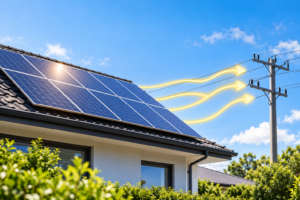
Solar panels — also called photovoltaic (PV) modules — are devices that convert sunlight into electricity your home can use. When sunlight hits the special cells inside each panel, it creates an electrical flow. This electricity can then:
✔ Power lights, appliances and devices in your home
✔ Reduce or eliminate your reliance on grid electricity
✔ Charge batteries for later use
✔ Earn credits if excess energy is fed back into the grid
Panels generate DC (direct current), which your inverter then converts into the AC (alternating current) electricity used in your home.
🔋 How Solar Works — In Simple Steps
- Sunlight hits your panels on the roof.
- Panels produce DC electricity.
- An inverter turns that into usable AC power.
- Your household uses that power first.
- Surplus energy can charge a battery or be exported to the grid.
- You pay less for power from the energy company.
This process runs automatically once installed, reducing bills daily without you needing to constantly manage it.
📏 Common Solar System Sizes (And What They Mean)
How big your solar system should be depends on your home’s energy use, roof area and budget. Here’s how Australians often size systems:
| System Size | Best For |
| 4 kW | Small homes or low daily usage |
| 5–6.6 kW | Most standard households |
| 8 kW | Larger families or higher daytime use |
| 10 kW+ | High consumption homes or EV charging priorities |
Larger systems generate more electricity and usually save more long‑term (especially when paired with a battery upgrade later).
⚡ Solar Panels, Inverters & Batteries — What You Need
📌 Solar Panels
These come in different styles and efficiencies:
- Monocrystalline — high performance and space‑efficient
- Polycrystalline — cost‑effective and reliable
📌 Inverter
The brain of your solar system — it turns panel power into home power. Types include:
- String inverters (common, cost‑efficient)
- Microinverters (optimised per panel)
- Hybrid inverters (best with batteries)
📌 Solar Battery (Optional but Valuable)
Batteries store excess solar so you use your own energy at night or during peak tariffs. With rebates available for batteries, they’re becoming a smart addition for many Australians.
💰 How Much Solar Costs — After Rebates
Solar is more affordable than ever thanks to government incentives like the Small‑scale Technology Certificate (STC) rebate. Typical post‑rebate prices in Australia (2026) are approximately:
- 4 kW: $5,000 – $7,000
- 5 – 6.6 kW: $6,500 – $9,500
- 8 kW: $8,000 – $11,000+
- 10 kW: $10,000 – $14,000+
()
Actual install costs vary by location, roof complexity, panel brand and inverter choice — but rebates make solar far more affordable than gross prices suggest.
🏆 Benefits of Buying Solar in 2026
💡 Lower Electricity Bills
Solar produces free electricity from sunlight — reducing your reliance on expensive grid power.
📈 Fast Payback
Many Australian homeowners see systems pay for themselves in 4–7 years, then deliver years of low‑cost energy.
🌍 Smarter Energy Use
Solar lets you use more of your own power when it’s cheapest — and batteries boost this even further.
🏠 Increases Property Value
Homes with solar often sell faster and for more, because future buyers value lower energy costs.
🔎 Tips for Solar Beginners
✔ Know your electricity bill: Your annual usage tells you what system size makes sense.
✔ Compare quotes: Not all installers price or size systems the same.
✔ Ask about rebates: Your installer should include government discounts in your quote.
✔ Check warranties: Good panels often come with 25‑year performance warranties.
✔ Think long term: Panels last 25+ years — plan for batteries or EV charging if that’s part of your future.
📊 Feed‑In Tariffs vs Self‑Consumption
When your panels produce more than you need, you can:
- Export to the grid and earn credits (feed‑in tariffs vary by state and retailer), or
- Store it in a battery so you use it later when the grid is expensive.
Most Australians save more by using their own solar (self‑consumption) rather than exporting it, especially with low feed‑in rates and high grid prices.
🛠 Why Professional Design Matters
Every home is unique. Good solar design considers:
✔ Roof orientation and shading
✔ Energy usage patterns
✔ Local sunlight patterns
✔ Future plans (battery or EV)
✔ Optimal panel and inverter choice
A professional solar design delivers real savings — not just cheap hardware.
📞 Let Solar Authority Help You Go Solar the Right Way
At Solar Authority, we help beginners get clarity and confidence:
✔ Tailored solar system designs
✔ Clear quotes with rebates applied
✔ Advice on panels, inverters and batteries
✔ Installations by Solar Accreditation Australia (SAA)‑accredited professionals
✔ Friendly support from first contact to system activation
Contact us today for your free beginner‑friendly solar quote — designed around your home, goals and lifestyle.
153
The Ultimate Guide to Understanding the Cost of a Solar System — Australia’s 2026 Breakdown
Installing solar power is one of the smartest long‑term investments Australian homeowners can make — but understanding what drives cost and value is essential before you buy. This ultimate guide explains solar pricing in plain English, what affects costs, how rebates and incentives work, and what you actually pay vs what you save over time.
☀️ 1. What Does a Solar System Cost? After Rebates Today
Solar system prices are often presented in two figures:
- Gross price — before rebates
- Net price — after federal and (if applicable) state rebates
Because rebates usually apply at the point of sale, net prices are what you actually pay.
Here’s what installed, net pricing typically looks like in 2026 once rebates like STCs are already applied:
| System Size | Estimated Installed Cost (AUD) |
| 4 kW | ~$5,000 – $7,000 |
| 5 kW | ~$6,000 – $8,000 |
| 6.6 kW | ~$7,500 – $9,500 |
| 8 kW | ~$8,500 – $11,000 |
| 10 kW+ | ~$10,000 – ~$14,000+ |
💡 These figures include STC rebates — federal subsidies installers claim on your behalf to reduce upfront cost.
📉 2. What’s Included in the Cost
A solar install isn’t just panels — it’s a whole system. Typical cost components include:
✔ Solar panels — the photovoltaic modules
✔ Inverter(s) — converts DC to AC
✔ Mounting & wiring — hardware on your roof
✔ Installation & labour — electrician work & safety compliance
✔ Permits & site assessment — required by law and rebate eligibility
✔ Monitoring & accessories — optimisation hardware (optional)
✔ Battery (optional) — storage adds cost but boosts savings
💰 3. Federal & State Rebates Reduce Upfront Costs
🔹 Federal STC Rebate
The Small‑scale Renewable Energy Scheme (SRES) generates Small‑scale Technology Certificates (STCs) based on system size and location — and installers usually claim and subtract their value from your system price.
This rebate is the biggest reason solar systems are affordable today, often knocking thousands off the sticker price.
🔹 State Incentives
Some states (e.g., Victoria, WA) also offer state rebates, interest‑free loans or targeted schemes that reduce the cost further. These vary by eligibility and require up‑to‑date checking.
🔎 4. What Drives the Cost of Your Solar System
Several factors influence how much your system will cost:
📌 System Size (kW)
More panels and higher output naturally cost more — but also deliver more energy and higher savings.
📌 Panel Quality & Brand
Premium panels cost more but often have longer warranties and higher efficiency.
📌 Inverter Type
Standard string inverter is usually cheaper. Microinverters or hybrid inverters (ideal with batteries) cost more but offer performance advantages.
📌 Roof & Installation Complexity
Steep, tiled or multi‑surface roofs increase labour time and cost.
📌 Battery Integration
Adding storage raises upfront cost significantly — but increases self‑consumption and bill savings when paired with solar.
📌 Location
Transport, labour rates and local competition can influence final pricing significantly.
🔁 5. Beyond Upfront Cost — Lifetime Value
While cost matters, value over time includes savings and system performance.
Electricity Bill Savings
Solar generation reduces how much electricity you buy from the grid. Typical reduction can be:
✔ $600 – $1,600+ annually for mid‑sized systems
✔ Savings vary by usage patterns and rooftop generation
Payback Period
With current pricing and rebates, many homeowners see systems pay for themselves in 3–7 years, with decades of low‑cost energy after.
Feed‑In Tariffs
Exporting surplus energy to the grid can earn credits on your bill — but these rates vary by state and retailer, and are often lower than grid electricity rates.
Battery Storage Impact
Adding a battery increases upfront cost but can save more by storing excess solar for later use — especially valuable where feed‑in tariffs are low.
📊 6. Examples: Total Cost vs Long‑Term Savings
Here’s how cost and savings typically stack up:
Example — 6.6 kW system (after rebates):
✔ Installed: ~$7,500 – $9,500
✔ Annual savings: ~$1,000 – $1,600
✔ Estimated payback: ~4–6 years
Over 25+ year panel lifespan, cumulative savings often run to many multiples of the upfront cost — especially if combined with a battery for higher self‑consumption.
🛠 7. Things That Can Increase Cost (But Improve Value)
✔ Microinverters or optimisers — better performance on shaded or complex roofs
✔ Premium panels — higher efficiency and better warranty
✔ Battery system — storage boosts self‑consumption and blackout resilience
✔ Smart monitoring & energy management — improves system use
These may add to upfront cost but improve overall system value — especially in homes with higher usage patterns or future electrification plans.
🧠 8. Tips to Get the Best Value
1. Compare multiple quotes — different installers price hardware and labour differently.
2. Confirm rebates are correctly applied — STCs must be deducted in your net price.
3. Don’t over‑size unnecessarily — size your system around use and roof capacity.
4. Plan for storage if warranted — especially if feed‑in credits are low.
5. Use suburb solar data — to estimate production where you live.
6. Check warranties — especially for panels and inverters.
📍 9. What to Expect in Your Quote
A transparent solar quote should include:
✔ System size and panel/inverter specifications
✔ Net price after rebates
✔ Expected yearly energy output
✔ Estimated savings and payback period
✔ Warranties and service arrangements
✔ Installation timeline and clear terms
If any of these are missing, ask your installer for clarification before signing.
📞 How Solar Authority Helps You Understand Solar Costs
At Solar Authority, we help Australian homeowners:
✔ Break down pricing so you understand exactly what you’re paying
✔ Clarify rebate impacts and net costs
✔ Choose the right panels and inverter for your roof and budget
✔ Compare quotes and ensure transparent pricing
✔ Design systems that maximise lifetime savings
Contact us today for a free tailored solar system cost breakdown and personalised quote — built around your home’s energy needs and goals.