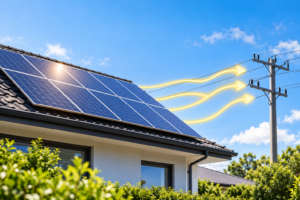

Installing a solar energy system is a smart long‑term investment — but the upfront cost can be significant. Solar financing helps homeowners access renewable energy sooner without paying the full amount upfront. Whether you want to buy outright, spread repayments over time, or explore low‑cost loans, this guide covers practical finance options tailored to Australian solar buyers.
📌 Why Solar Financing Matters
A solar system pays for itself over time through savings on your electricity bills. However, not everyone can or wants to pay the full cost upfront. With financing, you can start saving immediately while spreading the investment over months or years — often matched to your budget.
💵 Main Ways to Finance a Solar System
1. Paying Cash Upfront
Paying cash remains the simplest way to finance solar:
· You avoid interest or finance fees.
· You own the system immediately.
· You get the full value of bill savings sooner. This is often the lowest‑cost option long term if you can afford it.
Best for: Homeowners with savings and no need for financing.
2. Green Loans
A green loan is a purpose‑built loan for energy upgrades like solar and batteries, usually with lower interest rates than standard personal loans. You borrow the system cost and repay it over a set term (often 1–7 years). These loans may also allow early repayment without penalty.
Pros ✔ Spread cost over several years ✔ Interest often lower than other loans ✔ You own the system
Cons ⚠ You pay interest over the loan term ⚠ Must meet lender eligibility
Best for: Homeowners who want ownership immediately but need to spread the cost.
3. Interest‑Free Payment Plans
Many solar installers and third‑party providers (e.g., Brighte, Plenti, Humm) offer interest‑free payment plans where you pay for the system in scheduled instalments without interest for a defined period (e.g., 12–60 months).
Pros ✔ No interest if payments are on time ✔ Quick application process ✔ Often no upfront deposit
Cons ⚠ Late or missed payments may trigger fees ⚠ Some plans embed costs in the system price rather than being truly free
Best for: Budget‑conscious homeowners who want no interest and can meet regular repayments.
4. Government Interest‑Free or Low‑Interest Loans
Certain state and local governments may offer interest‑free or low‑interest loans for solar and battery installs — often repaid over several years. These government‑backed schemes help reduce or distribute the upfront cost and may be combined with federal incentives like the STC rebate.
Pros ✔ Often better rates than commercial loans ✔ No or minimal interest
Cons ⚠ Eligibility may vary by region and income ⚠ Application criteria apply
Best for: Homeowners eligible for government schemes.
5. Home Equity or Mortgage Finance
If you have equity in your home, you might use a home equity loan or mortgage redraw to finance solar. Interest rates can be lower than personal or unsecured loans, and repayment terms longer.
Pros ✔ Lower interest in many cases ✔ Spreads cost over many years
Cons ⚠ Your home is used as security ⚠ Longer debt period may incur more total interest
Best for: Owners comfortable using home equity and seeking a lower rate.
6. Solar Power Purchase Agreements (PPAs) & Leasing
Under a Solar PPA, a provider installs and owns the solar system at no upfront cost. You pay for the electricity it generates at a set rate — often lower than your retail grid rate. Similarly, solar leasing lets you pay fixed monthly fees to use the system, and some plans transfer ownership at the end.
Pros ✔ No upfront cost ✔ Immediate savings on electricity bills
Cons ⚠ You don’t own the system ⚠ Long‑term savings can be lower than ownership options
Best for: Renters or homeowners who prefer no upfront investment.
🌱 Government Rebates & Incentives
Australia’s Small‑scale Renewable Energy Scheme (SRES) reduces your upfront cost via Small‑scale Technology Certificates (STCs) that installers normally apply on your behalf, lowering the price you pay.
Additionally, the Cheaper Home Batteries Program offers discounts (around 30%) on battery installations as part of solar + storage setups.
These incentives make solar more affordable and work with many finance options rather than replacing them.
🧠 How to Choose the Right Solar Finance Option
✔ Compare total costs — don’t just look at monthly payments; check interest, fees and terms. ✔ Match repayments to savings — your monthly payments should ideally be less than the electricity savings generated by your solar. ✔ Read the fine print — some “interest‑free” plans embed costs in system pricing. ✔ Check eligibility for government loans or rebates in your state/territory. ✔ Get multiple quotes — different lenders and installers offer varying finance packages.
📌 FAQs — Solar Finance
Q: Should I finance or pay for solar upfront? It depends on your cash flow, expected savings, and whether you want to own the system immediately. Upfront cash often yields more long‑term savings, but financing lets you benefit from solar sooner.
Q: What are green loans? Green loans are lower‑interest loans for eco‑friendly projects like solar systems and energy upgrades. They typically have flexible repayment terms.
Q: Are there government loans for solar? Yes — federal, state and local governments may offer interest‑free or low‑interest loans to make solar more affordable.
Q: Does financing affect solar rebates? No — you can still receive government rebates like STCs regardless of how you finance your system, as long as installation conditions are met.
🏁 Conclusion — Finding the Right Fit for Your Budget
Solar financing gives Australians flexibility in how they pay for their solar systems — from interest‑free plans and green loans to no‑upfront‑cost options like PPAs and leasing. Choosing the right finance method depends on your budget, cash flow, and long‑term goals.
Whether you want to own your system outright, spread cost affordably over time, or reduce upfront barriers to solar access, the right financing plan can make your transition to renewable energy easier — and more financially compelling. Work with Solar Authority to get personalised finance options, compare lenders and design a system that fits both your energy goals and your wallet.