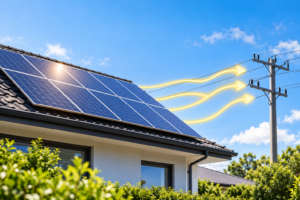

Solar energy continues to be a smart investment for homeowners in Melbourne, Victoria — even though the city gets fewer sunny days than some other Australian capitals. Solar panels still produce electricity on cloudy days, meaning you can reduce grid reliance and cut electricity costs year‑round.
In many Melbourne suburbs, solar adoption is high — with some areas showing more than 70 % of rooftops fitted with solar panels, demonstrating strong confidence in solar’s financial and environmental benefits.
Solar Costs and Returns in Melbourne
On average, a typical 6.6 kW solar system in Melbourne costs around $5,500 – $8,000 after federal rebates, though prices can vary based on system size, panel quality, and installer. With state incentives, total costs can be even lower.
When homeowners use most of their generated electricity and export excess power back to the grid, annual savings can exceed $1,000, meaning the system can pay for itself in about 3–5 years.
Solar Rebates & Incentives in Victoria
Federal Solar Rebate (STCs)
Melbourne is in STC Zone 4, so homeowners receive Small‑scale Technology Certificates (STCs) that significantly reduce upfront costs when installing a qualifying solar system.
Victorian Government Solar Homes Program
In addition to federal incentives, Victoria offers a Solar Homes rebate that can reduce solar panel costs by up to $1,400 for eligible households. There’s also access to interest‑free loans and battery rebates under certain conditions.
These rebates make solar systems in Melbourne among the most cost‑effective in Australia.
Feed‑In Tariffs & Energy Savings
When your solar system produces more energy than you use, the excess can be exported to the grid — and you may earn a feed‑in tariff (FIT) for that electricity. Victoria sets a minimum FIT, which provides ongoing credit against your power bill for exported energy.
Maximising your self‑consumption — using your solar energy while it’s generated — is key to getting the most savings.
Solar Output in Melbourne
Despite having fewer sunny days than cities such as Sydney or Perth, Melbourne still receives sufficient sunlight for productive solar output. A typical 7 kW system can generate up to 25 kWh per day on average, which is a substantial contribution toward household energy needs.
Remember, solar panels still work on cloudy days — they just generate less energy than on bright, sunny days.
Choosing the Right Solar System
System Size: Match solar output to your household usage — 5 kW–7 kW systems are common for standard homes, while larger homes may benefit from 8 kW+ systems.
Panel Quality: Premium panels may cost more upfront but often deliver better performance and longer warranties.
Installer Credentials: Choose a Clean Energy Council (CEC)‑accredited installer to ensure industry standards and reliable workmanship.
Payback & Long‑Term Value
Solar panels typically reduce electricity bills immediately, and with rebates and feed‑in credits, payback timelines in Melbourne often range from 3 to 5 years — one of the quickest in Australia.
Plus, solar reduces your environmental footprint and can increase your property’s value.
Conclusion – Is Solar Worth It in Melbourne?
Yes — solar technology does stack up in Melbourne. While solar output here might be slightly lower than in sunnier cities, strong rebate programs, solid electricity bill savings, and good feed‑in tariffs make solar a sound investment for most Melbourne homeowners.
Installing a solar system now can help you lock in rebates before they reduce or expire, save money on energy costs, and contribute to a greener future.