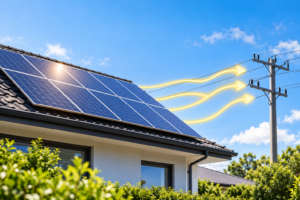

Leasing a solar system is an alternative way for Australians to access solar power without the large upfront cost of buying the system outright. Instead of purchasing the panels and inverter, you enter a contract with a solar provider* who installs and owns the system while you pay a regular lease fee.
This option is ideal if you want solar without the upfront expense, but it’s important to understand how it works, the pros and cons, and what you should look out for.
📊 What Is a Solar Lease?
A solar lease is a financial agreement where a solar company installs a system on your home at little or no upfront cost, and you make ongoing monthly lease payments for a fixed period — often between 5 and 20 years.
Under a lease:
· The solar provider owns and maintains the system.
· You pay a monthly fee to use the solar energy it generates.
· Lease terms and repayments are agreed at contract signing.
Unlike buying, you don’t own the equipment during the lease term — you’re essentially renting the system.
📈 How Solar Leasing Works in Australia
Here’s a typical leasing process:
1. Get a Quote & Agreement
A solar provider assesses your energy usage, roof and site conditions, then offers a lease proposal including monthly payments and term length.
2. Sign the Lease Contract
Once agreed, you sign a lease contract (often 5–20 years) that outlines payment schedules, maintenance responsibilities, escalation rates and any buy-out options.
3. Installation & Start of Payments
The provider installs your solar system and once it’s operational you begin monthly payments — typically locked in for the lease term.
4. Option to Purchase (Sometimes)
Some leases allow you to buy the system at the end of the term, or after a minimum period, often for an agreed residual amount.
🔍 Solar Leasing vs Buying vs Power Purchase Agreements (PPAs)
Option Ownership Upfront Cost Monthly Payments Electricity Savings
Lease Provider Low/None Yes Yes, but offset by payments
Buy You Higher No Highest long-term savings
PPA Provider Low/None Per kWh Potential savings based on production
Solar Lease is like renting the system — you pay for the use of the system. Buy means you own the system — all power generated is yours, and you benefit from rebates and equity. PPA means you purchase the power generated at a set rate per kWh rather than leasing the physical system.
✅ Benefits of Leasing a Solar System
✔ Little or No Upfront Cost
You don’t have to save for a large initial payment, making solar accessible sooner.
✔ Fixed Monthly Payments
Lease payments are predictable and easier to budget around than large cash outlays.
✔ System Maintenance Included
Most leases include maintenance and repairs since the provider owns the equipment.
✔ Solar Savings from Day One
Even with lease payments, many customers see lower net energy costs than before.
⚠ Things to Consider Before Leasing
❌ You Don’t Own the System
Since the provider owns the panels, you may not qualify for government rebates or incentives — the provider usually claims those benefits.
❌ Long Contracts
Lease agreements can span 10–20+ years, which may complicate selling the home or upgrading later.
❌ Potentially Higher Total Cost
Over the life of the contract you might pay more than you would if you purchased the system outright due to interest and profit margins included in the lease price.
❌ Restrictions on Home Sales
Some leases require the new homeowner to take over the contract if you sell your property — which can influence buyer decisions.
📅 Lease Term & End-of-Term Options
Lease terms vary, but common choices include:
· 5–10 year lease: Shorter commitment with possible buy-out midway.
· 10–20 year lease: Longer term with lower monthly payments.
At the end of your contract some leases let you: ✔ Purchase the system at a predetermined or fair market price. ✔ Renew the lease under new terms. ✔ Return the system to the provider.
Always review these options before signing — they differ between providers.
📍 Is Leasing Right for You?
Solar leasing can be ideal if:
· You want solar with no upfront cost.
· You prefer predictable monthly payments.
· You value maintenance being handled by the provider.
Leasing might be less ideal if:
· You want to own the system and maximise long-term savings.
· You want to benefit from rebates and system equity.
· You plan to sell your home before the lease ends.
Solar Authority can help you decide whether leasing, buying or a PPA makes the most sense for your energy goals.
🏡 How to Start Leasing a Solar System
Here’s how to begin:
📌 1. Request a Lease Quote
Provide your address and recent energy bills so we can tailor a proposal.
📌 2. Compare Lease Offers
Look at term length, monthly payments, buy-out options and maintenance responsibility.
📌 3. Review the Contract Carefully
Understand payment escalators, terms for selling your home, and what happens at contract end.
📌 4. Approve Installation
Once satisfied with terms, the installer will design and install the system — often at no upfront cost.
🧠 Solar Authority Can Help
Leasing solar is one way to access renewable energy without a large upfront investment — and Solar Authority can guide you through the options, whether you want to lease, enter a PPA, or compare finance and purchase paths.
Contact us today for personalised solar lease quotes and help choosing the best solution for your home!