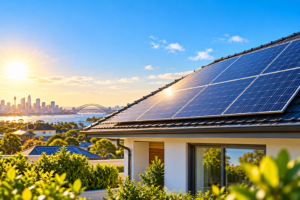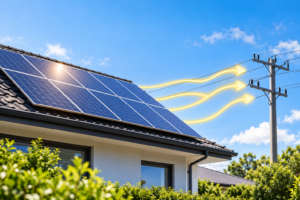

A lot of homeowners wonder whether solar power still works once the winter chill arrives — especially in southern Australian cities with shorter days and cooler weather. The good news is: solar panels absolutely still generate electricity in winter — though output is typically lower than in summer.
At Solar Authority, we explain how solar performance changes in winter, why panels still produce power, and what it means for your energy savings.
☀️ Yes — Solar Panels Still Produce Power in Winter
Solar panels rely on sunlight (photons) to generate electricity — not heat from sunshine. That means even on cool or cold winter days, your panels will continue to generate power as long as there’s daylight.
This is why solar systems in southern states like Victoria and Tasmania still deliver meaningful output during winter — you may just see less energy than in summer.
☁️ Why Winter Output Is Lower
There are three main reasons solar output dips in winter:
📉 Shorter Days
Winter days are shorter, so there are fewer daylight hours for solar panels to harvest energy.
🔆 Lower Sun Path
The sun sits lower in the sky during winter, meaning the angle of sunlight hitting panels is less direct than in summer — reducing total energy capture.
☁️ Cloud Cover & Weather
Winter weather can bring more cloud cover or rain, which diffuses sunlight and reduces panel output compared to a bright, clear day — although panels still generate power under diffuse light.
📊 What to Expect — Winter Solar Output in Australia
On average, solar systems in Australia still produce a significant portion of their annual output in winter — often 50-75% of summer production, depending on location and weather conditions.
For example, estimates from solar performance data show relative winter output for a typical 6.6 kW system:
· Brisbane: ~73% of average daily production
· Sydney: ~64%
· Perth: ~56%
· Melbourne: ~50% (Figures vary with climate and system design.)
Even in cooler cities, you can still make meaningful solar electricity — it just won’t match the high summer peaks.
🌡️ Cool Weather Can Help Efficiency
Interestingly, solar panels often perform more efficiently in cooler temperatures than in extreme heat. High heat can reduce panel efficiency, so mild winter conditions can actually be ideal for converting sunlight into electricity — as long as there’s enough light.
That means it’s not the cold that reduces output — it’s the less intense sunlight and shorter days.
☁️ Solar on Cloudy or Overcast Days
Winter weather isn’t always clear, and cloud cover can reduce output further — but modern solar panels still generate power from diffuse sunlight (light scattered through clouds). You won’t produce as much as on a clear day, but your system doesn’t stop working entirely.
Rain can even help by naturally cleaning panels, boosting performance once the sun returns.
📈 Tips to Maximise Winter Solar Performance
Here are a few ways to get the most from your system in the colder months:
☀ Optimal Orientation & Angle
Panels tilted to suit winter sun angles can capture more direct sunlight on shorter days.
🔍 Keep Panels Clean
Remove dust, debris or bird droppings — especially after storms — to maintain output.
🔋 Use Battery Storage
Storing excess winter solar power in a home battery helps extend your usable solar energy into the evening and morning.
📉 Shift Usage to Daylight Hours
Using high-energy appliances when your panels are producing the most can boost self-consumption and savings.
📍 Why Solar Authority Systems Still Deliver Value in Winter
Even though winter output is lower than summer, solar systems continue to produce electricity daily throughout the season in virtually every part of Australia. With the right design — including
panel orientation, panel quality, and optional battery storage — you can still significantly reduce grid electricity dependence and lower your energy bills year-round.
🔎 FAQs — Solar Panels in Winter
Q: Does cold weather stop solar panels working? No. Solar panels rely on sunlight, not heat. Cold winter conditions don’t stop production — they often slightly improve efficiency.
Q: Are solar panels less effective in winter? Yes. Due to shorter days and a lower sun angle, total solar output is generally lower, but panels still produce energy.
Q: Should I install a bigger system for winter output? Some homeowners choose a larger system or add battery storage to ensure winter energy needs are fully covered — ask us how to size your system for year-round goals.
Ready to Maximise Your Solar All Year?
At Solar Authority, we design systems that deliver strong performance through summer, autumn, winter and spring — tailored to your location, roof and energy goals.
Contact us today for a free winter-performance assessment and solar quote for your home in Australia.