Want to break free from the grid and power your home with off-grid solar energy? This guide explains what off-grid solar is, how it works in Australia, real-world costs, benefits and trade-offs — plus how to decide if it’s right for your lifestyle.
Off-grid systems are particularly relevant in remote areas without reliable grid access, or for Aussie homes seeking independence, resilience and long-term savings.
🔌 What Is Off-Grid Solar Energy?
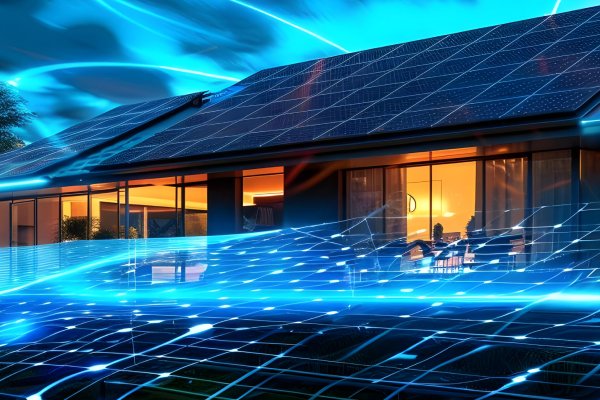
Off-grid solar energy systems are designed to operate entirely independently of the electricity grid. Instead of exporting surplus solar to a utility network, your system generates, stores and manages all the power your home uses, day and night.
An off-grid solar system typically includes:
✔ Solar panels — to harvest sunlight into electricity
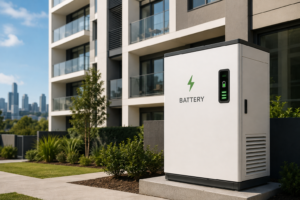
✔ Battery storage — to store excess energy for night use
✔ Hybrid inverter / off-grid inverter — to convert and manage power flow
✔ Backup generation (optional) — like a diesel or petrol generator for cloudy periods
Off-grid living means you’re not connected to traditional grid power — so your system must be sized and engineered to meet your energy needs reliably.
⚙️ How Off-Grid Solar Works
Here’s how power flows in a typical off-grid system:
- Solar panels generate DC electricity from sunlight.
- Inverters convert DC to AC, which your home uses.
- Battery storage captures surplus power during daylight hours.
- At night or during low sunlight, your home draws power from the battery.
- If batteries are low and solar generation is insufficient, a backup generator can provide power.
An off-grid energy management system (EMS) makes these decisions automatically, prioritising solar first, batteries next, then backup generation as a last resort.
🌞 Designing an Off-Grid System in Australia
Unlike grid-connected solar, off-grid systems must be carefully sized to match your energy usage, local climate and lifestyle — which makes upfront planning crucial.
Key Design Factors
✔ Daily electricity use (kWh/day)
✔ Seasonal solar availability (sun hours vary widely across Australia)
✔ Battery capacity — sized for overnight and multi-day autonomy
✔ Backup generation requirements
✔ Appliance loads and critical circuits
Typically, off-grid homes sizing considers the worst-case scenario — such as several cloudy days in a row — to ensure uninterrupted power. That often means significant battery capacity and possibly backup generators.
🔋 Components of an Off-Grid System
☀️ Solar Panels
Harvest sunlight and generate usable electricity. More panels help charge batteries quicker — especially in less sunny months.
⚡ Battery Storage
Batteries are the heart of any off-grid system. They store excess solar for night and low-sun days. Common battery types include:
- Lithium Iron Phosphate (LiFePO₄) — long life and high efficiency
- Lead-acid — lower cost but shorter lifespan
Larger battery banks mean greater autonomy — letting you run critical loads even on extended cloudy periods.
🔄 Hybrid / Off-Grid Inverters
These inverters combine DC-AC conversion with sophisticated power management — switching between solar, battery and backup generator as needed.
🔥 Backup Generator (Optional)
In remote areas or during extended low sun periods, a generator ensures you always have power — especially for essential systems like refrigeration, pumps and lighting.
💰 Typical Costs of Off-Grid Solar in Australia
Off-grid solar systems range widely in price depending on size, battery capacity and energy usage. A general cost breakdown (installed) is:
| System Type | Typical Price (AUD) |
| Small off-grid (4–6 kW + ~15–20 kWh battery) | ~$15,000 – $30,000+ |
| Medium (8–10 kW + ~30–50 kWh battery) | ~$30,000 – $50,000+ |
| Large (10 kW+ + 50 kWh+ battery with backup gen) | ~$50,000 – $80,000+ |
| (Final prices vary by region, equipment choice and installation difficulty.) |
Off-grid systems tend to cost more upfront than grid-connected solar with batteries — but they also deliver true independence.
📈 Long-Term Savings with Off-Grid Solar
Off-grid systems reduce or eliminate electricity bills entirely — but they also remove reliance on conventional grid infrastructure. Benefits include:
✔ No grid usage charges or standing fees
✔ Escape from rising electricity tariffs
✔ Lower fuel cost if backup gens run infrequently
✔ Reduced carbon footprint
However, payback periods depend greatly on your prior grid costs and system size — in some cases several years to a decade or more.
🔄 On-Grid vs Off-Grid Solar — Key Differences
| Feature | Grid-Connected Solar | Off-Grid Solar |
| Electricity bills | Reduced, not eliminated | Eliminated |
| Reliance on grid | Yes | No |
| Battery requirement | Optional | Essential |
| Export credits | Available (FiT) | N/A |
| Initial cost | Lower | Higher |
| Resilience | Moderate | High (self-sufficient) |
If your grid connection is reliable and inexpensive, on-grid systems often offer greater financial return with lower upfront cost. Off-grid makes sense where access is poor, expensive or you prioritise energy independence.
📍 Is Off-Grid Right for You?
Off-grid solar may be ideal if:
✔ You live in a remote area with no or expensive grid power
✔ You want true energy independence
✔ You’re prepared to invest in larger battery capacity
✔ You run loads where blackout tolerance is essential
It may be less suitable if you:
❌ Have a reliable, low-cost grid connection
❌ Are sensitive to high upfront costs
❌ Prefer simpler systems with government rebate eligibility
🌤 Maximising Your Off-Grid System
Here’s how to get the best performance from your off-grid setup:
🔹 Accurate energy profiling — Understand day and night loads
🔹 Seasonal solar estimates — Plan for winter or cloudy months
🔹 Smart energy usage — Use appliances during peak solar generation
🔹 Quality battery selection — Prioritise long lifespan and efficiency
🔹 Backup redundancy — Generators or additional solar where needed
📞 How Solar Authority Can Help With Off-Grid Design
At Solar Authority, we tailor off-grid solar and storage systems that suit your:
✔ Energy consumption and lifestyle
✔ Local climate and sunlight conditions
✔ Budget and backup requirements
✔ Long-term independence goals
We team you up with Solar Accreditation Australia (SAA)-accredited installers to ensure safe, compliant and high-performance installations.
Contact us today for a personalised off-grid solar system design and quote — built around your home and energy needs!