Understanding how much a solar power system really costs helps you make educated decisions, avoid hidden expenses, and choose the right solar solution for your home or business. This pricing guide breaks down typical installed costs, what influences pricing, and how rebates affect what you actually pay in Australia today.
📊 Typical Solar System Prices (After Rebates)
Solar system prices in Australia vary widely based on system size, panel quality, inverter type, roof complexity, location, and installer. The table below shows approximate installed prices after the federal Small-scale Renewable Energy Scheme (STC) rebate — which is applied at point of sale through your installer.
| System Size | Approx. Installed Cost (AUD) |
| 3 kW | ~$4,500 – $6,000 |
| 4 kW | ~$5,500 – $7,000 |
| 5 kW | ~$6,000 – $8,000 |
| 6.6 kW | ~$7,500 – $9,500 |
| 8 kW | ~$8,500 – $11,000 |
| 10 kW | ~$10,000 – $14,000 |
| 12 kW | ~$13,000 – $18,000 |
💡 These ranges reflect post-rebate prices in 2026, but actual quotes depend on many factors — including roof type, panel brand, inverter quality, site access and installer pricing.
🧠 How Rebates Influence Price
🔋 Federal Solar Rebate (STCs)
The Small-scale Renewable Energy Scheme (SRES) offers federal rebates for solar systems, delivered through Small-scale Technology Certificates (STCs) that installers claim on your behalf and discount from your quote. The number of STCs depends on system size, location and expected output.
✔ STCs substantially reduce out-of-pocket costs
✔ Rebates are larger in higher sunlight regions (northern states)
✔ STC value declines over time as the scheme phases down toward 2030
Because STCs are applied upfront, listed prices are often much lower than gross installer costs — and you don’t need to apply; your installer handles the process.
⚡ What Drives Solar System Costs in Australia
Here’s what influences your final price:
🔹 System Size (kW)
Larger systems cost more but tend to save more in ongoing electricity costs.
🔹 Panel Quality & Brand
Premium panels from leading manufacturers generally have higher efficiency and longer performance warranties — and often cost more.
🔹 Inverter Type
Conventional string inverters are usually less expensive than microinverter or hybrid inverter systems.
🔹 Roof Type & Installation Complexity
Steep slopes, multiple facets, tile roof works and shading obstacles increase labour and mounting costs.
🔹 Monitoring & Accessories
Performance monitoring hardware, rapid shutdown devices and smart energy management add to installed costs.
🔹 Location
Remote or regional installs may incur higher transport or labour charges.
📈 Typical Savings by System Size
Solar systems can offer substantial savings on your electricity bill — especially if your system size matches your household demand and roof capacity.
💡 Example Annual Savings (Indicative)
| System Size | Estimated Avg. Savings per Year |
| 4 kW | ~$600 – $1,000 |
| 6.6 kW | ~$1,000 – $1,600 |
| 10 kW | ~$1,500 – $2,500 |
| 12 kW+ | ~$2,000 – $3,200+ |
Actual savings depend on your electricity tariff, solar export value, daily use patterns and shading conditions.
🧠 Solar + Battery Pricing
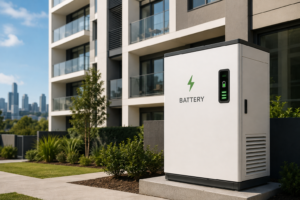
Adding a solar battery increases your net installed cost but boosts self-consumption and resilience.
⚡ Typical Battery Installed Costs (Post Federal Battery Rebate)
| Battery Size (Usable) | Approx. Installed Cost (AUD) |
| ~7 kWh | ~$7,500 – $10,000 |
| ~10 kWh | ~$9,500 – $13,000 |
| ~13.5 kWh | ~$12,000 – $16,000 |
| 20 kWh+ | ~$18,000 – $25,000+ |
🧾 Federal battery rebates (part of the Cheaper Home Batteries Program) typically reduce battery costs by ~30% — making storage more affordable when installed with solar.
📉 What You Actually Pay After Rebates
Most installers will present you with two prices:
- Gross price — before rebates
- Net price — after STCs and battery certificates
Net price is the number you pay at signing, and it’s commonly 30–40% lower than gross figures due to STC offsets (and additional battery rebates where applicable).
📌 Typical System Price Examples (With Rebates Applied)
🔹 6.6 kW Solar Panel Only
- Gross: ~$11,000 – $13,500
- Net (after STC rebate): ~$7,500 – $9,500
🔹 6.6 kW + 10 kWh Battery
- Gross: ~$23,000 – $30,000
- Net (after STC + battery rebate): ~$13,500 – $20,000+
These examples show how rebates dramatically reduce upfront cost — and why timing matters (earlier installs in 2026 still capture stronger STC and battery certificate values than later years).
📍 Factors That Affect Your Final Quote
Here are common cost drivers worth asking your installer about:
✔ Panel brand and efficiency
✔ Inverter type (standard, hybrid, microinverter)
✔ Roof structure complexity
✔ Battery add-on options
✔ Export wiring and monitoring hardware
✔ Warranty terms and service offerings
A personalised quote will always be more accurate than general averages — which is why comparison quotes are worth obtaining.
📞 How Solar Authority Helps You Get the Best Price
At Solar Authority, we help Australian homeowners:
✔ Compare multiple solar system quotes
✔ Understand the breakdown of costs and rebates
✔ Identify the best panel and inverter combinations
✔ Design solar + battery systems that maximise savings
✔ Ensure installation by Solar Accreditation Australia (SAA)-accredited professionals
✔ Navigate rebate eligibility and compliance
Contact us today for a free personalised solar system pricing assessment and quote — tailored to your home, usage and goals.