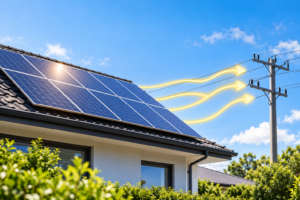

If you have solar panels — or are thinking about getting them — Time-of-Day (ToD) pricing (also called Time-of-Use tariffs) is an important concept that can significantly influence how much you save on your electricity bills. This pricing structure encourages households to shift energy use to cheaper periods, and when paired with solar and storage, it can maximise the return you get from your system.
🔎 What Is Time-of-Day Pricing?
Time-of-Day pricing means electricity costs vary throughout the day depending on demand — instead of paying a flat rate no matter when you use power. Customers with smart meters on time-of-use plans pay different rates during:
· Peak periods — the most expensive times, usually late afternoon and early evening.
· Shoulder periods — moderate demand times with mid-range rates.
· Off-peak or “solar sponge” periods — the cheapest times, often during the day when solar generation is highest.
Your retailer or distributor sets the exact times and rates, so they can vary by region and plan.
☀️ Why ToD Pricing Matters for Solar Owners
🧠 1. Generate & Use Solar Energy at Cheaper Times
Solar panels typically produce most electricity between 10 am and 3 pm — right in the heart of off-peak or “solar sponge” times under many ToD plans. Making the most of this window helps homeowners use free solar power when it’s cheapest.
💡 2. Shift High-Use Appliances to Lower Cost Periods
Running appliances like dishwashers, pool pumps, EV chargers, or washing machines during daylight or off-peak hours instead of in the expensive peak window can noticeably reduce your electricity bill.
🔋 3. Pair With a Solar Battery for Maximum Benefit
A solar battery paired with a ToD tariff lets you:
· Store cheap solar energy during the day.
· Use stored energy in the evening during peak times.
· Reduce or eliminate grid electricity purchases when prices are highest.
This strategy — called load shifting — boosts savings and speeds up the system’s payback period.
📊 Time Blocks Explained
Different components of a ToD tariff might include:
· Peak: Highest rates during times of highest demand (often morning and late afternoon/early evening).
· Shoulder: Mid-range rates, often in the middle of the day.
· Off-Peak / Solar Sponge: Lowest rates (or cheapest power) when solar generation is abundant — typically mid-day.
Some regions are even introducing “Solar Sponge Tariffs” designed specifically to soak up solar generation by making midday electricity extra cheap and rewarding customers for consuming or storing energy during that time.
📈 How ToD Pricing Boosts Solar Value in Practice
🟢 Reduce Peak Purchases
Solar systems generate free electricity during the day — if you use as much of that electricity on site as possible, you buy less expensive peak power from the grid in the evening.
🟢 Get Better Feed-In Returns (Sometimes)
Some time-varying feed-in tariffs pay more for solar exports during peak periods. In NSW, regulators provide benchmarks for how wholesale solar feed-in values can vary by hour of the day, reflecting higher prices later in the afternoon.
🟢 Schedule Smart Consumption
If you know when electricity is cheapest, you can schedule energy-intensive activities — like EV charging, hot water heating, or pool pumps — to use cheap midday power rather than peak evening rates.
📌 Tips to Maximise Your Savings With ToD Pricing
✔ Match consumption to cheap periods: Run appliances in the solar sponge or off-peak window to avoid peak charges. ✔ Use a solar battery: Store excess solar power to use in peak times — this can significantly reduce grid purchases. ✔ Compare plans: Different energy plans vary in their peak/shoulder/off-peak definitions — choose one aligned with your lifestyle and solar production pattern. ✔ Monitor usage: Smart meters and apps can help you see in real time when energy costs the least and track solar generation.
🔍 Is ToD Pricing Right for Everyone?
Time-of-Day pricing can boost savings for most solar owners, but it’s especially effective if you:
· Have a solar battery.
· Can shift evening energy use to daytime.
· Use appliances that can be scheduled.
· Monitor usage patterns and optimise based on rates.
If you mostly consume power in the expensive peak periods and don’t change usage habits or add battery storage, ToD pricing might not deliver as much benefit — so reviewing your specific usage is key.
🧠 FAQs — Time-of-Day Pricing & Solar
Q: Do I need a smart meter for ToD pricing? Yes — most time-of-use or time-of-day tariffs require a smart meter to record when you use electricity throughout the day.
Q: Does solar alone benefit from ToD pricing? Yes — using your solar generation during cheaper periods increases self-consumption and reduces reliance on expensive peak grid electricity.
Q: Can I still export solar to the grid with ToD pricing? Yes — and in some cases you may receive different feed-in values depending on the time of export.
Q: Should I switch tariffs if I go solar? Often yes — comparing available plans and switching to a ToD or solar sponge tariff tailored for solar use can increase your overall savings.
🏁 Conclusion — Make Time Work With Your Solar
Time-of-Day pricing is a powerful tool when paired with solar — especially when combined with a battery. By understanding peak, shoulder and off-peak rates, you can:
Shift energy use to cheaper periods. Store solar energy for evening use. Reduce expensive grid purchases. Increase the financial return on your solar investment.
Whether you’re already solar-powered or planning a new system, choosing the right pricing plan, adjusting your energy habits, and smart energy management can help you maximise savings and get more value from the sun.