When you’re exploring solar power for your home, one of the first decisions is choosing the right solar system type. There are three main configurations: on‑grid, off‑grid, and hybrid. Each has its own benefits, costs, and best‑fit scenarios depending on your energy goals and lifestyle.
What Is an On‑Grid Solar System?
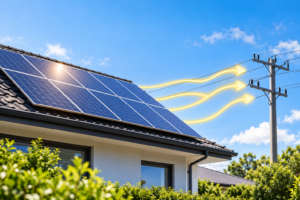
An on‑grid solar system (also called a grid‑connected system) is the most common setup for Australian homes. It’s connected to the local electricity grid, so you can:
- Use solar energy during the day
- Draw power from the grid at night or when solar isn’t enough
- Export excess solar energy back to the grid for credits (feed‑in tariff)
Benefits of On‑Grid Solar
✔ Lower upfront cost than off‑grid systems
✔ No battery required (optional for savings and backup)
✔ Reduced electricity bills through net metering
✔ Easy installation and widespread support
Best For
Homes with reliable grid supply and low desire for total independence from the grid.
What Is an Off‑Grid Solar System?
An off‑grid system operates independently from the electricity grid — meaning you rely entirely on your solar panels and battery storage for power.
Key Features
- Requires larger battery storage
- Often includes backup generators for extended low‑sun periods
- Not connected to the grid at all
Benefits of Off‑Grid Solar
✔ Full energy independence
✔ Ideal for remote or rural locations where grid access is costly
✔ Predictable energy control and self‑reliance
Considerations
⚠ Higher upfront costs due to large batteries and backup systems
⚠ Must be sized correctly for household load needs
What Is a Hybrid Solar System?
A hybrid solar system combines the best of both worlds — solar panels, battery storage, and a grid connection. With a hybrid setup you can:
- Use solar power first
- Store excess energy in batteries
- Draw from the grid when needed
- Sell surplus solar energy back to the grid (feed‑in tariffs)
Benefits of Hybrid Solar
✔ Maximise self‑consumption
✔ Lower peak‑period grid use
✔ Backup power during outages (if configured)
✔ Greater flexibility and energy management
Best For
Homeowners who want energy independence plus grid reliability and cost efficiency.
On‑Grid vs Off‑Grid vs Hybrid: Side‑by‑Side Comparison
| Feature | On‑Grid | Off‑Grid | Hybrid |
| Grid Connection | ✔ | ✘ | ✔ |
| Battery Storage | Optional | ✔ | ✔ |
| Export Solar to Grid | ✔ | ✘ | ✔ |
| Backup Power | Limited | ✔ | ✔ |
| Best For | Lower cost, bill savings | Full independence | Balance of savings + reliability |
How to Choose the Right Solar System
📍 1. Your Energy Goals
- Save on electricity bills? On‑grid or hybrid
- Be energy independent? Off‑grid or hybrid
- Reduce carbon footprint? Any solar system helps
📍 2. Budget & Payback
- On‑grid systems have lower initial costs
- Hybrid systems may increase savings long term due to battery optimisation
- Off‑grid systems often cost more upfront due to batteries and backup systems
📍 3. Location & Grid Reliability
- Reliable grid access? On‑grid/hybrid ideal
- Remote location? Off‑grid may be best
📍 4. Battery Plans
- If you plan to add a battery now or later, a hybrid‑ready system is often the most flexible choice.
Why These Differences Matter
Understanding the three types helps you:
- Optimise your return on investment
- Reduce bills more effectively
- Design a system that truly fits your lifestyle and goals
Choosing the wrong setup — such as installing off‑grid without enough storage — can lead to inconsistent power, higher costs, and system inefficiency.
What Australians Are Choosing in 2026
In Australia, the majority of residential solar systems are still on‑grid, especially in cities and towns with reliable utility supply. However, hybrid systems with batteries are rapidly gaining popularity as prices fall and export tariffs remain low. Off‑grid systems are most common in rural or remote regions without reliable grid access.
Final Takeaway
Whether you choose on‑grid, off‑grid, or hybrid solar, the best system is one that aligns with:
✔ Your energy needs
✔ Your budget
✔ Your goals for independence or cost savings
✔ Your location and grid situation
Solar is a long‑term investment — picking the right system type ensures better savings, reliability, and peace of mind.