With rising electricity costs and lower feed-in credits for exported solar energy, Australian homeowners are looking for smarter ways to maximise savings from rooftop solar and battery systems. One of the strongest emerging trends in 2025–26 is participation in a Virtual Power Plant (VPP) — a networked energy solution that can help cut your power bills while supporting grid stability.
⚡ What Is a Virtual Power Plant (VPP)?
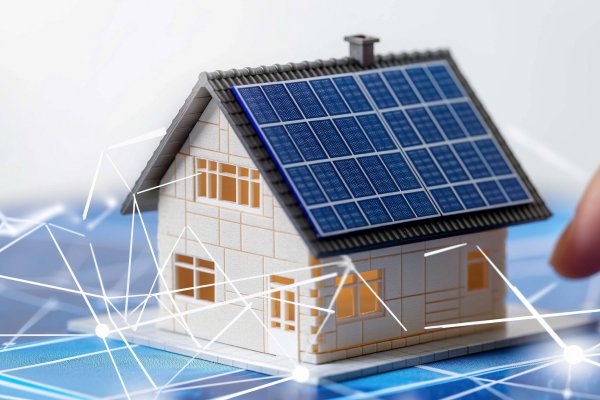
A Virtual Power Plant is a network of decentralised home energy resources — such as solar panels, solar batteries and smart devices — that are aggregated and managed together using cloud-based software. Instead of a single large generator providing electricity, a VPP behaves like a distributed power station made up of thousands of rooftop systems working in harmony.
In a VPP:
- Your solar panels and battery stay connected to the grid.
- Smart software decides when to store, use or share energy.
- During peak demand or grid stress, your stored energy may be called upon to help meet broader electricity needs.
💸 How VPPs Help Reduce Your Electricity Bills
Joining a VPP can slash your power bills in several ways:
📉 1. Reduce Grid Consumption
Solar energy stored in your battery can be used during peak pricing periods (when grid electricity is most expensive), lowering the amount you buy from retailers.
💰 2. Earn Payments or Bill Credits
Many energy retailers and VPP programs offer ongoing payments or bill credits to participants — sometimes significantly higher than traditional feed-in tariffs. For example:
- Some VPPs pay up to $0.20–$2 per kWh for exported energy during peak demand.
🎁 3. Upfront Incentives
In certain states like New South Wales, incentives for connecting your battery to a VPP are increasing — up to $1,500 for eligible battery owners starting from mid-2025.
📱 4. Better Value Than Low Feed-in Credit
With feed-in tariffs for exported solar often very low (sometimes less than a few cents per kWh), sending energy into a VPP during high-value periods can offer far better returns.
🛠 How a VPP Works With Your Solar + Battery System
To participate in a VPP, most homes need:
- Rooftop solar panels
- A compatible solar battery
- A smart energy management system or smart inverter
- A retailer or third party that offers VPP programs
- A smart meter for real-time energy tracking
Once enrolled, your system’s stored energy can be shared during “VPP events” — short periods when the grid needs extra power — and you receive compensation in return.
📉 Real-World Savings & Grid Benefits
Participating households can experience:
✔ Lower electricity bills across the year
✔ Income from energy contributions during peak demand
✔ More value from battery storage than basic self-consumption
✔ Better return on solar battery investment
Beyond individual savings, VPPs also help reduce reliance on fossil fuels and improve grid reliability during high-demand periods. Instead of expensive peaker plants firing up, the aggregated stored solar energy from many homes can stabilise supply, which may help slow wholesale price increases over time.
📍 Is Your Home Ready for a VPP?
Most homes with solar and a battery are suitable for VPP participation, but it depends on:
- Battery size and compatibility (typically ~5–13 kWh or larger)
- Smart inverter or VPP-ready communication software
- A retailer that supports VPP programs
- A smart meter for accurate two-way data reporting
If your system isn’t yet VPP compatible, you may need upgrades (like a compatible inverter or battery) to unlock the benefits.
🤝 Choosing the Right VPP Option
Different VPP programs vary in:
- How much credit you earn per kWh
- Whether you receive upfront bonuses
- How frequently your stored energy is used
- How much reserve is kept for backup power
It’s important to compare VPP offers and understand how they fit with your household energy use and solar system. Consulting with your solar provider can ensure you select a program that maximises financial return and aligns with your energy goals.
📈 The Future of VPPs in Australia
With strong government support for battery uptake (such as the Cheaper Home Batteries Program) and growing solar penetration, VPPs are expected to become an increasingly influential part of Australia’s energy ecosystem — making home solar + battery systems even more valuable for everyday savings and grid resilience.
📞 Solar Authority Can Help You Join a VPP
If you’re considering a solar battery or want to upgrade your existing system for maximum savings, Solar Authority can help you:
✔ Check VPP eligibility
✔ Recommend compatible hardware
✔ Choose the best retailer VPP plan
✔ Design and install with Solar Accreditation Australia (SAA)-accredited installers
Contact us today for personalised VPP guidance and maximise your solar system’s financial and energy benefits!