It’s a question many Australian homeowners ask before installing solar:
👉 “Will adding solar panels make my electricity more expensive?”
The short answer is: No — solar panels do not make electricity more expensive. In fact, for most households they reduce electricity costs, increase energy independence and protect against rising grid power prices.
At Solar Authority, we break down the reasons why solar lowers your electricity bills and clear up common misconceptions that sometimes make people worry about costs.
🧠 Why People Ask This Question
Some homeowners hear about:
- Fixed network charges
- Higher minimum daily electricity costs
- Feed-in tariffs being lower than retail prices
And wonder whether solar systems somehow increase their bills. But it’s important to understand how electricity bills are structured in Australia and how solar interacts with those charges.
⚡ How Electricity Bills Work in Australia
Most home electricity bills include a combination of:
🔌 1. Daily Supply Charge
A fixed daily cost for being connected to the grid — regardless of how much energy you use.
🔋 2. Consumption Charge
The cost per kilowatt-hour (kWh) you import from the grid when your solar panels aren’t producing enough.
🔄 3. Feed-in Credits
The amount you’re credited when you export excess solar energy to the grid.
⚙️ 4. Tariff Structure
Bills may include different rates depending on time-of-use pricing, demand charges, or peak/off-peak periods.
Solar panels impact your consumption charge and feed-in credits, which are the parts of your bill that can actually reduce your costs.
☀️ How Solar Panels Usually Reduce Your Costs
📉 1. You Use Less Grid Electricity
Solar panels generate free electricity from the sun. When your panels produce power, you use that first — reducing how much you buy from the grid.
The fewer kilowatt-hours you import from the grid, the lower your consumption charges — which are typically the largest component of your bill.
🔄 2. You Can Earn Feed-in Credits
If your system generates more energy than you use in a given period, that surplus is exported to the grid and credited back to you through a feed-in tariff.
Even though these credits are usually lower than retail rates, they still lower your net bill overall.
📅 3. Lifestyle Adjustments Boost Savings
Simple changes — like running appliances when the sun shines or charging an EV with solar — help you use more of your own solar, lowering grid imports further.
❌ Why Solar Doesn’t Usually Increase Costs
A few myths contribute to the idea that solar might make electricity more expensive. Let’s debunk the main ones:
❌ Solar Increases Network Fees
Network charges are based on being connected to the grid, not whether you have solar. Solar doesn’t increase supply or network charges — it reduces your consumption charges.
❌ Feed-in Credits Are Too Low
Feed-in credits don’t need to match retail prices to deliver savings. Avoiding purchases during peak times is more valuable than the export credit alone.
❌ Solar Systems Cost Money
The upfront cost of solar doesn’t add to your ongoing electricity bill — it’s an investment that reduces future bills over decades.
📊 Real-World Benefit: Bill Reduction Example
Here’s how solar typically affects a bill:
| Before Solar | After Solar |
| High grid consumption | Much lower grid imports |
| Full retail price paid for electricity | Majority from free solar generation |
| Feed-in credits: N/A | Reduces net consumption costs |
| Total monthly bill higher | Solar offsets most daytime usage |
| Forecast rising costs | Solar provides cost hedge |
In most Australian locations, solar systems pay for themselves in 3–7 years through bill savings — and deliver ongoing savings for many years after.
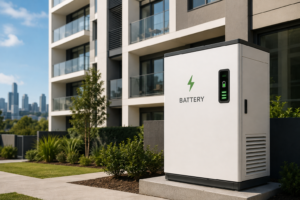
🔋 Solar + Batteries: Even Greater Savings
When you add a solar battery to your system:
- You store excess solar energy for use at night or peak times
- You reduce grid imports even more
- You increase self-consumption and further lower bills
This does not make electricity more expensive — it improves how much of your own clean energy you use instead of buying from the grid.
Battery storage paired with solar can also protect against expected electricity price rises over the long term.
🧠 What Affects Your Solar Savings
While solar almost always reduces overall electricity costs, your total savings depend on several factors:
☀ System Size & Generation
Larger systems usually offset more grid electricity.
🏠 Household Usage Patterns
Using more electricity during the day (when your solar is generating) increases savings.
⚡ Feed-in Tariff Rates
Higher feed-in credits improve the payback on excess exports.
🔋 Battery Integration
Adding storage improves self-consumption and bill reduction but involves extra cost.
Solar Authority evaluates all of these factors to recommend the best system size and configuration for your circumstances.
📈 Stability vs Price Volatility
Energy costs in Australia have been fluctuating — especially with network price changes and rising peak electricity rates in many states.
Solar doesn’t make electricity more expensive — it-based power gives you a hedge against rising grid costs, because:
✔ Solar generation is free once installed
✔ Your imported grid power is what costs money
✔ Reducing grid reliance saves you money over time
🧠 Summary — Does Solar Make Electricity More Expensive?
No. Solar panels reduce your electricity costs in almost all cases by:
✔ Reducing grid electricity imports
✔ Increasing self-supply with free solar power
✔ Earning feed-in credits for surplus generation
✔ Lowering total energy usage over time
Even with network charges and lower feed-in rates, most Australian solar owners pay significantly less for electricity than they did before going solar.
📞 Want a Solar Cost Comparison for Your Home?
Solar Authority can model your expected electricity savings based on your usage, roof, and location — then show you exactly how much solar (and battery storage, if appropriate) could reduce your bills.
Contact us today for a free solar savings estimate and personalised system design from our Australian solar experts!