
If you’re planning to install solar panels in the Australian Capital Territory (ACT), it’s key to understand how much solar systems really cost after rebates, what influences pricing, and how to get the best value for your investment. ACT pricing tends to be competitive thanks to a strong installer market and access to federal incentives — even though the territory doesn’t offer broad universal panel rebates like other states.
📊 Typical Installed Solar System Prices in the ACT (After Rebates)
The figures below reflect typical prices after the federal Small‑scale Technology Certificate (STC) rebate — the main upfront discount applied to solar panel systems in the ACT. Installers generally handle these rebates for you, so the prices listed represent what most homeowners actually pay at installation.
| System Size | Approx. Installed Price (AUD) |
| 3 kW | ~$3,500 – $5,000 |
| 4 kW | ~$4,000 – $6,000 |
| 5 kW | ~$5,000 – $7,000 |
| 6.6 kW | ~$6,000 – $8,500 |
| 8 kW | ~$7,000 – $10,000 |
| 10 kW | ~$9,000 – $12,500+ |
💡 These ranges are indicative averages — your actual install price will vary depending on equipment choice and installation complexity.
🔋 How Rebates Affect Solar Costs
🔹 Federal STC Rebate
The Small‑scale Renewable Energy Scheme (SRES) provides STCs that act as an upfront discount on solar systems. Installers claim them and apply the rebate before you pay, reducing your net out‑of‑pocket cost.
The number of STCs your system qualifies for depends on:
- System size (higher kW = more STCs)
- Postcode solar zone (ACT generally gets strong STC value because of good solar irradiance)
- Deeming period used by the scheme
⚠️ STC values phase down gradually each year, so installing early in 2026 can help you secure a larger rebate amount compared with waiting later.
📉 What Drives Your Final Solar Price
Solar pricing isn’t just about system size — several factors affect your final cost:
🟦 Panel Quality & Brand
Premium panels typically deliver higher efficiency and stronger warranties, but they carry a higher upfront cost.
⚡ Inverter Type
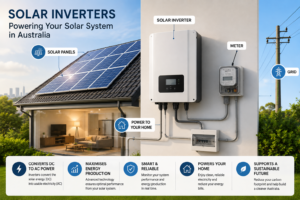
A standard string inverter is typically cheaper. Systems with microinverters or hybrid inverters (for battery integration) cost more but can improve performance and flexibility.
🏠 Roof Type & Complexity
Tile roofs, multi‑aspect roofs, shading challenges and difficult access increase installation time and labour cost.
🧹 Monitoring & Add‑Ons
Performance monitoring, rapid shutdown systems, optimisers and other accessories add extra value — and extra cost.
💰 Real‑World Example Prices
Here’s how common system sizes typically translate to installed prices in the ACT:
- 5 kW System: ~$5,000 – $7,000 after STC rebate — ideal for average households with moderate daytime electricity usage.
- 6.6 kW System: ~$6,000 – $8,500 — a popular size offering strong bill reductions for larger households.
- 10 kW System: ~$9,000 – $12,500+ — suited to high‑usage homes, or those considering battery storage integration.
Want premium panels, optimisers or smart energy management? Higher spec systems typically sit 10–20% above these ranges, but often deliver better performance and warranties.
📈 Typical Savings & Payback
Solar in the ACT makes financial sense thanks to good sunlight and competitive electricity prices:
✔ A 5 kW system can reduce annual power bills significantly.
✔ Many homeowners see solar systems pay for themselves within 4–6 years depending on usage and energy tariffs.
✔ Combining solar with battery storage increases self‑consumption and can deliver even better long‑term savings.
Self‑consumption — using your solar power onsite rather than exporting it — is particularly valuable where feed‑in tariffs are relatively low.
📍 Why ACT Solar Costs Look the Way They Do
🏙 Competitive Installer Market
The ACT has a strong installer ecosystem with many providers competing, which helps keep pricing transparent and competitive on comparable systems.
🌞 Good Solar Conditions
ACT receives solid solar irradiation throughout the year — strong generation potential improves value for every system installed.
📉 Rebate Structures
ACT doesn’t currently offer broad state panel rebates on top of federal STCs, but the STC rebate alone still delivers a significant up‑front saving.
If you do qualify for targeted ACT programs (e.g., low‑income households under the Home Energy Support Program) you may further reduce costs.
📌 Tips to Get a Great Solar Price in the ACT
✔ Compare multiple quotes — not all installers price the same systems equally.
✔ Ask about rebate inclusion — STCs should be reflected in the net price.
✔ Match system size to usage — over‑sizing wastes money; under‑sizing limits savings.
✔ Consider future‑proofing — design for batteries or EV charging if you plan to expand.
📞 How Solar Authority Helps You Get the Best ACT Solar Price
At Solar Authority, we help ACT homeowners:
✔ Accurately calculate solar pricing for your postcode and usage pattern
✔ Apply federal rebates correctly to lower upfront costs
✔ Compare panel brands, inverter types and warranties
✔ Design systems for maximum performance and savings
✔ Connect with Solar Accreditation Australia (SAA)‑accredited installers for safe, compliant installation
👉 Contact us today for a personalised solar panel pricing quote tailored to your home and energy goals!