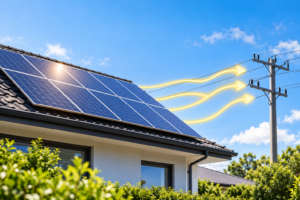

Buying a solar system is one of the biggest energy decisions you’ll make for your home — it affects your electricity bills, your long‑term savings, your comfort and your environmental impact. This guide walks you through everything you need to know before you invest, how to choose the right system, and how to make sure you get the best value for your money.
☀️ 1. Why Choose Solar? Key Benefits
Installing solar power delivers compelling benefits for Australian homeowners:
✔ Lower electricity bills — generate your own power instead of buying from the grid
✔ Protection against rising tariffs — lock in predictable generation
✔ Boost sustainability — reduce your carbon footprint
✔ Increase self‑consumption — use your own generated power first
✔ Compatible with batteries — store excess energy for use at night or peak times
Combined with government rebates and incentives, solar systems often pay for themselves many times over during their lifespan.
📐 2. Understanding Solar System Basics
A typical solar system consists of:
🔹 Solar Panels
These capture sunlight and convert it into DC electricity.
- Monocrystalline panels are most common for Australian homes due to higher efficiency and better performance.
🔹 Inverter
Converts DC (from panels) into AC for household use. Types include:
- String inverters — cost‑effective and reliable
- Microinverters — panel‑level optimisation
- Hybrid inverters — ideal when pairing with batteries
🔹 Mounting & Wiring
Roof mounts, fixtures and cable runs that ensure safe and durable installation.
🔹 Optional Batteries
Solar batteries store excess energy for use at night or during grid peak pricing periods.
💡 3. How Many Panels Do You Need?
The most common residential solar sizes in Australia are:
🔹 5 kW — good for average households
🔹 6.6 kW — balances cost and generation well
🔹 8 kW – 10 kW+ — ideal for high usage homes or EV charging
Your ideal system size depends on:
✔ Your average daily electricity consumption
✔ Roof space and orientation
✔ Budget and payback goals
✔ Whether you plan to add a battery
📉 4. Budgeting & Pricing Expectations (Post‑Rebate)
Thanks to the federal Small‑scale Technology Certificate (STC) rebate, solar systems are significantly cheaper than gross prices suggest — installers apply this discount before you pay. Typical installed, net prices in 2026 look like:
| System Size | Estimated Net Cost (AUD) |
| 4 kW | ~$5,000 – $7,000 |
| 5 kW | ~$6,000 – $8,000 |
| 6.6 kW | ~$7,500 – $9,500 |
| 8 kW | ~$8,500 – $11,000 |
| 10 kW | ~$10,000 – $14,000+ |
Adding a battery will increase your cost but boost self‑consumption and reduce grid reliance.
🏷️ 5. Rebates & Incentives
🔸 Federal Solar Rebate (STCs)
Instant upfront rebate based on system size and location — no separate application required.
🔸 Federal Battery Rebate (Cheaper Home Batteries Program)
Provides ~30 % discount on eligible battery systems when installed with solar.
🔸 State Incentives
Some states add extra rebates or loan support (e.g., Victoria’s Solar Homes program). Always check current programs in your state.
🧠 6. Choosing the Right Panels & Inverter
✔ Panel Efficiency & Quality
Higher efficiency means more energy per square metre — useful if roof space is limited. Quality panels tend to have longer performance warranties.
✔ Inverter Options
- String inverter: cost‑effective choice
- Microinverters: best for shaded or mixed orientations
- Hybrid inverters: ideal if planning a battery upgrade
📊 7. Roof, Orientation & Shading
For the best solar performance:
✔ Panels should face north (or north‑east/west)
✔ Tilt angles matched to your latitude maximize annual output
✔ Avoid shade from trees or neighbouring structures
✔ Panel layout adapted to roof shape for efficient coverage
Good system design accounts for all these factors to maximise generation and payback.
🛠 8. Installation & Accreditation
Solar installations must comply with Australian standards. Using professional installers means:
✔ Safer, compliant installations
✔ Correct rebate processing
✔ Warranty backed by accredited workmanship
Solar Accreditation Australia (SAA) accreditation ensures your installer meets industry requirements.
📈 9. Solar Savings & Payback
Typical payback periods range from 3–7 years depending on:
✔ System size
✔ Electricity usage pattern
✔ Feed‑in tariff credits
✔ Self‑consumption optimisation
Homes that maximise daytime usage and integrate batteries often see higher lifetime savings.
🔄 10. Solar + Battery: Is It Worth It?
Solar without a battery cuts daytime bills — but adding storage:
✔ Increases self‑consumption
✔ Reduces peak grid purchases
✔ Improves resilience during blackouts
Federal battery rebates help reduce upfront cost and improve overall return on investment.
💬 11. Common Mistakes to Avoid
❌ Choosing only on price — lowest quote doesn’t always deliver best performance
❌ Ignoring panel or inverter quality
❌ Not accounting for shading or roof features
❌ Forgetting planning for future battery upgrades
Good design and quality hardware pay dividends over decades of production.
📞 12. How Solar Authority Helps You Buy With Confidence
At Solar Authority, we make your solar purchase easy and rewarding:
✔ Tailor a system to your home and usage
✔ Optimise panel, inverter and battery choices
✔ Apply all rebate incentives correctly
✔ Provide clear quotes, timelines and expectations
✔ Install with Solar Accreditation Australia (SAA)‑accredited professionals
Contact us today for a free personalised solar quote and expert guidance — designed around your energy needs and financial goals.