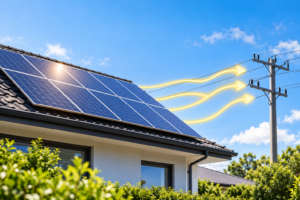

When choosing solar panels for your Australian rooftop, one of the first decisions you’ll make is the type of solar panel technology. Two of the most common options are monocrystalline and polycrystalline solar panels — each with its own performance
traits, cost differences, and real‑world benefits. Understanding the difference can help you maximise energy generation, lower bills and choose a system that fits your roof, budget and lifestyle.
🔍 What Are Monocrystalline & Polycrystalline Solar Panels?
🌟 Monocrystalline Panels
Monocrystalline solar panels are made from single‑crystal silicon cells. This process creates a uniform, high‑purity silicon structure — giving them a distinctive black look and high electrical performance.
🔷 Polycrystalline Panels
Polycrystalline solar panels are made from multiple silicon fragments melted together, resulting in a bluer hue and a slightly lower purity cell structure.
Both types convert sunlight into electricity, but they differ in efficiency, cost, performance in heat, and appearance — all key factors in choosing the right solution for your home.
⚡ Key Differences — Side‑by‑Side Comparison
Feature Monocrystalline Polycrystalline
Efficiency Higher (usually ~18 – 23 %) Moderate (usually ~15 – 19 %)
Cost Premium pricing Lower cost
Best Use Case Roofs with limited space Larger roofs with more space
Heat Performance Better in high temperatures Slight performance drop in heat
Appearance Sleek black look Blue‑flecked appearance
Lifespan & Warranties Often stronger Good but slightly lower
Energy Yield Higher per panel Slightly less per panel
🔋 Efficiency & Power Output
Monocrystalline panels consistently deliver higher efficiency than polycrystalline — meaning more electricity per square metre of roof. If you have limited roof space on a compact home, monocrystalline lets you generate more power from fewer panels.
Polycrystalline panels, while slightly less efficient, still produce reliable energy and are perfect when you have ample roof space and want strong performance at a lower upfront cost.
🌡️ Performance in Australian Weather
Australia’s intense heat can affect how solar panels perform:
🔥 Monocrystalline
· Better temperature tolerance
· Produces more consistent power on hot, sunny Adelaide or Darwin afternoons
· Slightly less power drop‑off when temperatures rise
🌥️ Polycrystalline
· Still performs well but loses a bit more output under high temperatures
· A good choice in cooler climates or larger roofs where space isn’t an issue
Both technologies are engineered to handle Australia’s diverse climates, but monocrystalline tends to edge ahead in hotter regions.
💰 Cost & Value — What You Should Know
Upfront Cost
· Polycrystalline panels are generally cheaper than monocrystalline — often making them better value for larger systems where cost per watt matters most.
· Monocrystalline panels cost more per panel but can yield higher generation per panel.
Long‑Term Savings
· Because monocrystalline panels generate more energy per square metre, they often deliver more savings over time even if the upfront cost is higher — especially when roof space is limited or energy usage is high.
Budget‑Friendly Tip If you have a wide, unshaded roof and a tight budget, polycrystalline can deliver excellent savings per dollar. If your goal is maximum output and long‑term efficiency, monocrystalline is usually worth the premium.
🧠 Which Is Better? — Quick Guide
Choose Monocrystalline if:
✔ You have limited roof space ✔ You want top performance and highest efficiency ✔ You want stronger heat tolerance ✔ You’re aiming for long‑term energy yield and maximum bill reduction
Choose Polycrystalline if:
✔ You have plenty of roof area ✔ Budget is a priority ✔ You want solid performance with a lower upfront cost ✔ A slightly lower efficiency is acceptable for your goals
Both panel types are proven technologies and produce clean, reliable solar power. The best choice depends on how your roof, energy usage and budget align.
📈 Real‑World Example — What It Means for You
System Size Panel Type Expected Daily Output (Typical Aussie Conditions)
5 kW Monocrystalline ~20–26 kWh/day
5 kW Polycrystalline ~18–24 kWh/day
6.6 kW Mono ~25–32 kWh/day
6.6 kW Poly ~23–30 kWh/day
(Actual yields vary by location, orientation, tilt, shading and weather.)
Monocrystalline systems typically edge out a few extra kilowatt‑hours — especially in hot summer months — thanks to higher efficiency and better heat tolerance.
📌 FAQs — Monocrystalline vs Polycrystalline
Q: Are monocrystalline panels worth the higher cost? A: In many cases yes — especially if roof space is limited or you want higher daily energy generation and stronger heat performance.
Q: Do polycrystalline panels work well in Australia? A: Absolutely — they generate solid solar energy and can be very cost‑effective on larger roofs or where panel spacing isn’t a constraint.
Q: Which panel type lasts longer? A: Both types generally last 25 + years. Warranty and manufacturing quality often matter as much as the panel type itself.
Q: Does panel type affect solar rebates or feed‑in tariffs? A: No — rebates (like STCs) and feed‑in tariff eligibility depend on system size, approvals and retailer policies, not panel type.
🏁 Conclusion — Finding the Right Solar Panels for Your Home
Both monocrystalline and polycrystalline solar panels are solid choices for Australian solar installations. ✔ Monocrystalline shines when you want maximum efficiency, performance in heat and stronger long‑term yields from limited roof space. ✔ Polycrystalline offers great value and reliable generation when roof space is plentiful and upfront cost is a priority.
At Solar Authority, we help you compare panel types, design the best system for your roof and budget, and estimate real savings before you invest — so you get a solar solution that fits your goals and delivers long‑term energy value.
Ready to choose the right panels? Contact us for a personalised solar quote!