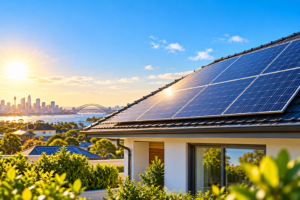

Thinking about going solar but feeling overwhelmed? You’re not alone — many Australian homeowners are interested in solar to reduce bills, increase energy independence and lower carbon emissions. This beginner’s guide breaks down everything you need to understand before you commit — from how solar works to system options, costs, rebates and what to consider first.
📌 What Is Home Solar & How Does It Work?
A home solar system uses solar panels to capture sunlight and convert it into electricity. These panels produce direct current (DC) power, which is then converted into alternating current (AC) that your home appliances use — thanks to a device called an inverter.
Here’s the basic flow:
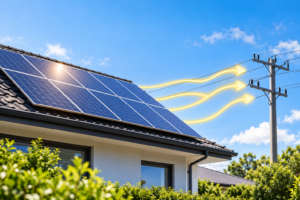
Solar panels capture sunlight and generate DC electricity Inverter converts DC to usable AC electricity Your home uses solar electricity first Excess power can be stored in a battery or exported to the grid Grid electricity tops up power when solar isn’t producing enough
📌 Types of Solar Systems
⚡ 1. Grid‑Connected Solar System
This is the most common setup in Australia. Your panels generate electricity during the day when the sun shines. If your system produces more than your home needs, the extra is fed into the grid and you may earn a feed‑in tariff credit. At night or during cloudy periods, your home draws power from the grid just like before.
Ideal for: Typical city and suburban homeowners.
🔋 2. Hybrid Solar System (With Battery)
A hybrid system adds a battery to store excess solar power. Instead of exporting all extra electricity to the grid, you can save it for use at night, during peak pricing, or in outages.
Benefits: ✔ Higher energy self‑consumption ✔ Lower grid reliance ✔ Power during blackouts (if configured)
🏝 3. Off‑Grid Solar System
Off‑grid means no connection to the grid at all — your solar panels and batteries provide all the electricity you use. These systems require larger battery capacity and careful design to prevent running out of stored power.
Ideal for: Remote homes or properties without reliable grid access.
📉 Why Go Solar? Key Benefits
💵 1. Lower Electricity Bills
Solar reduces how much power you buy from electricity retailers. Many Australian homes cut their bills significantly — especially if they optimise usage during daylight hours.
📈 2. Feed‑In Tariffs
If your system exports surplus electricity to the grid, your retailer may credit you at a feed‑in tariff rate — further reducing bills.
🌿 3. Environmental Impact
Solar generates clean, renewable energy — reducing reliance on fossil fuels and shrinking your household’s carbon footprint.
🏠 4. Energy Independence
With a solar + battery system, you’re less exposed to grid outages and rising electricity prices.
💰 Solar System Costs in Australia
The cost of a home solar system depends on system size, panel quality, inverter type, installation complexity and rebates.
Typical post‑rebate price ranges for common sizes:
System Size Approx. Cost After Federal Rebate (AUD)
5 kW ~$4,000 – $6,000
6.6 kW ~$5,000 – $7,000
10 kW ~$8,000 – $10,000+
Larger systems or premium components will cost more — but often deliver greater energy generation and savings.
📈 How Much Can You Save?
Savings vary based on electricity usage, solar generation and local feed‑in tariffs, but a typical 6.6 kW solar system in Australia can:
✔ Offset a big portion of daytime usage ✔ Save roughly $1,000 – $2,000+ per year ✔ Pay back the investment within ~3–6 years
Adding a battery can increase self‑consumption, but also raises upfront costs — so it’s important to evaluate your usage patterns and tariffs before choosing storage.
🧠 What to Consider Before You Install
📍 1. Roof Suitability
✔ Ideal roofs are north‑facing with minimal shading ✔ Roof angle and material can affect installation cost and output
⚡ 2. Your Energy Needs
Check your recent electricity bills to estimate your average daily usage — this helps determine optimal system size.
💡 3. Future Plans
If you plan to add an EV charger or battery later, design your system so it can be expanded without complete replacement.
🧩 4. Choosing Quality Equipment
High‑efficiency panels and strong warranties (e.g., 25 + years performance, 10–15 years product) help ensure long‑term returns.
🛠 5. Accredited Installer
Choose a Clean Energy Council (CEC) accredited installer with strong reviews and transparent quotes.
📌 Frequently Asked Questions
Q: Do solar panels work on cloudy days? Yes — they still generate power, but output is lower during cloudy or rainy weather.
Q: Can I install solar myself? DIY installations don’t qualify for government rebates — you must use an accredited installer to access incentives.
Q: Do I need a battery? Batteries aren’t essential — but if you want to use solar power at night or during peak pricing, storage adds value.
Q: How long do solar panels last? Most solar panels last 25 + years, with a gradual efficiency decrease over time.
🏁 Conclusion — Your First Steps to Solar Success
Solar energy is one of the smartest ways Australian homeowners can cut energy bills, reduce emissions and boost energy independence. By understanding how solar systems work, comparing system types, exploring rebates, and choosing quality equipment and installation, you can maximise your savings and long‑term value.
Solar Authority can help you assess your roof, calculate potential savings, design the right system size and guide you through the entire solar purchase — from rebate calculations to final installation. Contact us for a personalised solar quote today!