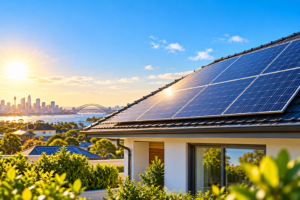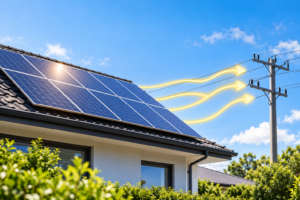

Off‑grid solar systems are a powerful way to achieve energy independence, especially in remote areas, rural properties or locations where grid power is unavailable or unreliable. Unlike grid‑connected solar that feeds excess energy back to the grid, an off‑grid setup generates all your electricity locally and stores it for when you need it most.
This guide explains how off‑grid systems work, the components you need, costs, benefits, and whether it’s the right choice for your Australian home.
What Is an Off‑Grid Solar System?
An off‑grid solar system functions entirely independent of the utility grid. It generates electricity during the day from solar panels, stores surplus energy in a battery bank, and
powers your home’s electrical loads directly — even at night or during cloudy weather. Unlike grid‑connected systems, you don’t buy power from a utility or earn feed‑in credits.
This makes off‑grid solar ideal for:
· Rural or remote properties without reliable grid access
· Properties where grid extension is too expensive
· Owners seeking maximum energy self‑sufficiency
Key Components of an Off‑Grid Solar System
A well‑designed off‑grid setup requires several coordinated components:
☀️ Solar Panels
Solar modules convert sunlight into direct current (DC) electricity. The total capacity you need depends on your daily energy use, location, and climate. Australian systems often range from 5 kW to 15 kW or more.
🔄 Charge Controller
This device regulates the flow of electricity from the panels to the batteries — preventing overcharging and protecting battery health. MPPT charge controllers are the most efficient type.
🔋 Battery Bank
The battery bank stores excess solar power for use at night or during extended cloudy periods. Modern off‑grid systems favour lithium‑ion batteries for longer life, deeper discharge and less maintenance than older lead‑acid types.
🔌 Inverter
The inverter converts DC electricity stored in batteries into AC electricity that your appliances need. In off‑grid systems, a pure sine wave inverter is recommended for sensitive electronics.
🔁 Backup Generator (Optional)
In regions with prolonged low sunlight (e.g., winter rainy seasons), a backup generator can keep batteries charged and maintain power continuity.
Off‑Grid Solar Costs in Australia (Typical Ranges)
Off‑grid systems involve larger initial investment than standard grid‑connected setups, mainly due to battery storage and larger panel arrays. Here’s an approximate breakdown:
Component Estimated Cost (AUD)
Solar Panels (6–10 kW) $6,000 – $12,000
Battery Storage (10–20 kWh) $10,000 – $20,000
Inverter/Charger $3,000 – $6,000
Backup Generator $2,000 – $5,000
Installation & Setup $5,000 – $10,000
Total Estimated Cost ~$26,000 – $53,000
Smaller, simpler systems (for cabins, sheds or minimal use) might start around $15,000–$20,000, but this often means fewer comforts and less redundancy.
Benefits of Going Off‑Grid
✔ Energy Independence
Off‑grid systems eliminate reliance on the power grid and protect you from outages and rising electricity prices — a major advantage in rural or energy‑constrained areas.
✔ Environmental Sustainability
Solar is renewable and clean, helping you reduce carbon emissions and move toward a more sustainable lifestyle.
✔ Reliable in Remote Locations
Off‑grid systems provide dependable power even where extending grid lines would be costly or impractical.
✔ Fully Self‑Sufficient Energy
You generate and consume all your energy locally, with no electricity bills and minimal external dependencies.
Drawbacks & Things to Consider
⚠ High Initial Cost
Upfront costs are significantly higher than grid‑connected systems because of the batteries and extra components required.
⚠ Requires Thoughtful Sizing
Off‑grid systems must be designed to meet your total energy demand, including peak usage and days with limited sun. Oversizing panels and batteries increases reliability but also cost.
⚠ Battery Maintenance & Replacement
Batteries will eventually need replacement (lithium type usually lasts longer than lead‑acid), and storage performance can degrade over time.
⚠ No Grid Backup
Without a backup generator or hybrid setup, you must depend entirely on your system. Poor design can lead to power shortages in winter or extended cloudy periods.
Off‑Grid vs Grid‑Connected (Quick Comparison)
Feature Off‑Grid Solar Grid‑Connected Solar
Energy Source Fully independent Uses grid & solar
Power
Outages System‑dependent Grid supplies power
Backup Batteries/generator needed Not required
Cost Higher upfront Lower upfront
Feed‑in
Credits None Possible via retailer
Off‑grid systems are excellent for remote or self‑sufficient living, while grid‑connected systems are usually more cost‑effective for suburban homes.
FAQs — Off‑Grid Solar
Q: Is off‑grid solar better than grid‑connected? It depends on your goals. Off‑grid gives complete independence, but grid‑connected systems usually cost less and offer grid backup and feed‑in credits.
Q: How long do off‑grid systems last? Solar panels can last 20 + years, but batteries often require replacement every 10–15 years depending on type.
Q: Do I need a generator? Not always, but a backup generator can help during extended cloudy weather or periods of high power use.
Q: Can I expand later? Yes — many systems are designed modularly, letting you add batteries, panels or inverters as needs change.
Conclusion — Is Off‑Grid Solar Right for You?
Off‑grid solar systems offer true energy independence and are an excellent choice if you live in a remote area, want to escape rising electricity bills, or plan to build a resilient and self‑sustaining home power solution. They require careful planning, reliable components, and a larger upfront investment, but can pay off with long‑term savings, environmental impact and autonomy.
Solar Authority can help you assess whether off‑grid is right for you, design the system, size components correctly and guide you through cost comparisons — contact us for a tailored evaluation and off‑grid solar quote!