
If you’re considering upgrading your hot water system in Australia, a heat pump hot water system is one of the most energy‑efficient and cost‑effective options available in 2026. This comprehensive guide walks you through how these systems work, the benefits, costs, rebates, and what to consider before buying one.
🌡 What Is a Heat Pump Hot Water System?
A heat pump hot water system uses ambient air to heat water — much like a reverse refrigerator — moving heat from the air into your water rather than generating it directly. This method is far more efficient than traditional electric storage systems and gas heaters.
🔹 Heat pumps can achieve 300–500% efficiency, meaning they produce 3–5 times more heat energy than the electricity they consume.
🔹 They typically consist of:
- An evaporator that captures heat from the air
- A compressor that increases temperature
- A condenser that transfers heat to the water tank
💡 Key Benefits of Heat Pump Hot Water
⚡ 1. Significant Energy Savings
Heat pump systems use far less electricity than traditional hot water systems — often reducing water‑heating bills to $150–$300 per year, compared to $500–$800 for electric storage or $400–$600 for gas.
💰 2. Lower Running Costs + Solar Integration
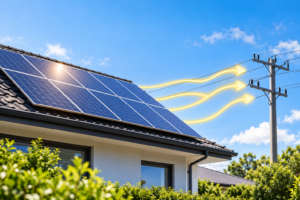
Because heat pumps are so efficient and can be timed to run during peak solar production, many Australian households with rooftop PV see their hot water costs drop even further — sometimes near zero when paired with solar.
🌱 3. Reduced Carbon Footprint
Switching from gas or electric to a heat pump can lower household greenhouse gas emissions by about 2–3 tonnes of CO₂ annually, especially when combined with renewable energy sources.
🛠 4. Long Lifespan
Quality heat pump systems can last 15–20 years, often outperforming older electric storage units and delivering long‑term value.
📊 Types of Heat Pump Systems
🔹 Integrated Systems
Compact units that house both the heat pump and tank together. Great for smaller homes with space constraints.
🔹 Split Systems
Separate outdoor heat pump and indoor tank. These tend to be quieter and more efficient, with flexible installation options.
📐 Choosing the Right System — Key Factors
👪 Tank Size & Household Demand
Larger households generally need larger tanks:
- 1–2 people: 150–180 L
- 3–4 people: 200–315 L
- 5+ people: 315 L+
🌦 Climate Considerations
Heat pumps work best in most Australian climates but may need electric boost elements in very cold regions to maintain performance.
📍 Installation Location
Ensure good airflow around the outdoor unit for efficiency. Noise levels are generally 35–55 dB — similar to a quiet conversation — so pick a suitable spot away from bedrooms or neighbours.
💰 Costs & Rebates in Australia (2026)
💸 Upfront Costs
Expect to pay $3,000–$5,500 for a quality heat pump unit, with installation costs often adding $500–$1,200 depending on site conditions and any electrical upgrades needed.
💵 Government Rebates & Incentives
Australia offers a range of rebates that can significantly reduce your out‑of‑pocket costs:
- Small‑scale Technology Certificates (STCs): These can lower upfront costs by roughly $900–$1,100 or more depending on your zone and system efficiency.
- State energy schemes (e.g., Victorian Energy Upgrade (VEU), NSW Energy Savings Scheme, SA REPS) can add $500–$1,200+ in discounts on top of federal rebates.
🔎 In some cases, rebates from state and federal programs can stack, creating savings of $1,500–$2,600+.
After rebates, many households pay around $1,500–$3,500 for a fully installed system.
🧮 Running Costs & Savings
Annual operating costs for a heat pump system typically range from $150 to $300, depending on your usage and electricity rates.
By comparison:
- Traditional electric systems: $500–$800+ per year
- Gas systems: $400–$600+ per year
Because heat pumps are so efficient, many households recoup their investment within 3–5 years through energy savings alone.
🛠 Installation & What to Expect
A professional installer will assess your site, hot water needs, and electrical setup before installation. Most installations take 4–6 hours, with a thorough handover and warranty info provided at completion.
For eligibility for rebates (like STCs and state programs), installation must be done by licensed plumbers and electricians.
📌 High‑Intent Keywords to Target
Primary Keywords:
✔ heat pump hot water systems Australia
✔ heat pump hot water 2026 buyers guide
✔ efficient hot water system Australia
✔ government rebates heat pump Australia
✔ heat pump vs gas hot water system
Secondary / Long‑Tail Keywords:
✔ heat pump hot water cost after rebates
✔ solar paired heat pump hot water system
✔ best heat pump hot water system Australia
✔ heat pump hot water efficiency explained
✔ heat pump hot water integration with solar
🧠 Final Takeaway
Heat pump hot water systems represent a smart, efficient, and cost‑effective upgrade for many Australian homes in 2026. With lower running costs, strong government rebates, and excellent long‑term savings, they outperform traditional electric and gas systems — especially when paired with solar power.
Whether you’re replacing an old water heater or building a new home, this guide gives you the insights you need to make a confident, informed choice.