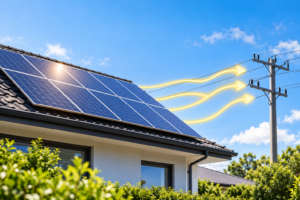

Australia’s energy landscape is undergoing a massive transformation — shifting away from fossil fuel-dominant electricity towards a cleaner, smarter, and more distributed renewable model. At the heart of this change are solar rooftop systems and home battery storage, which are not just reducing household power bills but shaping the future grid itself.
In this guide, we explain how solar panels combined with battery storage are redefining energy use, why this matters for Australian homes, and how this trend will influence electricity systems nationwide.
☀️ Solar Panels — Already a Key Energy Source
Australia has one of the highest rates of rooftop solar adoption in the world. Millions of homes now generate electricity from rooftop panels, significantly contributing to national energy supply. On sunny days, these systems can supply over 10 % or more of Australia’s electricity demand, particularly in regions with high solar radiation.
This shift isn’t just about saving money — it’s reshaping how energy flows in the grid, with millions of distributed generators feeding electricity directly to where it’s needed most.
🔋 The Rise of Battery Storage
Solar panels generate power when the sun shines, but without energy storage, excess electricity must either be exported to the grid or wasted. Battery storage systems change that equation by storing surplus solar electricity for later use — at night, on cloudy days, or during peak electricity price periods.
This solar-plus-storage model brings several advantages:
📌 1. Greater Self-Consumption
Instead of exporting most of your solar energy at low feed-in tariffs, batteries let you use your own solar generation when it’s most needed, reducing grid dependence.
📌 2. Lower Electricity Bills
By storing cheap daytime solar and discharging it during expensive peak pricing, households can significantly slash their energy bills — often by avoiding peak-period grid buys.
📌 3. Backup Power & Resilience
In areas prone to outages or extreme weather, batteries provide backup electricity for essential loads — giving homeowners peace of mind.
📌 4. Participation in “Virtual Power Plants” (VPPs)
Battery systems can be aggregated with others into VPPs, helping balance grid demand and earning incentives for homeowners who share their stored energy.
📈 Trends Driving Solar & Storage Adoption
⚡ Rapid Growth Across Australia
More households are choosing battery-ready solar systems as prices fall and incentives improve. With feed-in tariffs declining, storing solar energy becomes more rewarding than simply exporting it.
💡 Government Support
Policies like the Cheaper Home Batteries Program are making battery systems more affordable with subsidies covering 20–30 % of costs — shortening payback periods and boosting adoption.
📊 Standard System Configurations
Typical Australian residential solar + storage setups range from modest 5 kWh batteries for core home loads to larger 10–15 kWh systems capable of powering an entire evening’s consumption.
🌍 The Broader Impact – Grid, Environment & Energy Security
🌱 1. Cleaner Energy Grid
Distributed solar and battery systems reduce reliance on coal and gas generators. As more households adopt these technologies, they help lower carbon emissions and support national decarbonisation goals.
⚡ 2. Grid Stability and Peak Demand Challenges
Large numbers of solar systems can cause grid stress if not managed well — especially midday peaks. Batteries help absorb excess generation and discharge during high demand, improving grid reliability.
📉 3. Lower Household Bills Over Time
Modelling suggests widespread solar and storage can help halve average household energy bills by 2050 by reducing grid purchases and smoothing price volatility — even as total power demand continues to grow.
⚖️ 4. Energy Independence
Solar + storage shifts power generation closer to demand, reducing the need for costly large-scale generation and long transmission networks — a major trend in modern energy systems.
🧠 What This Means for Australia’s Energy Future
1. Increased Rooftop Solar Penetration Millions of homes now host solar systems, with some forecasts suggesting solar might provide the majority of household electricity needs by 2040.
2. Storage as Standard With battery costs falling and incentives rising, storage is becoming a standard add-on for new solar installations, not just a luxury.
3. Decentralised Energy Networks Solar and batteries contribute to decentralised energy models, reducing the pressure on traditional generation and enhancing grid flexibility.
4. Participation in Emerging Markets Technologies like Virtual Power Plants allow everyday solar + storage owners to play a role in grid operations — creating revenue opportunities beyond just bill savings.
📌 FAQs — Solar + Storage in Australia
Q: How much can a solar battery save me? Savings depend on system size, consumption patterns and tariff structures — but
homeowners often see significant reductions in grid electricity purchases by using stored solar power during peak times.
Q: Are solar batteries worth it? Yes — particularly if feed-in tariffs are low and energy prices high, a battery increases self-consumption and energy independence.
Q: Do batteries work during blackouts? Many battery systems can provide backup power to selected circuits if configured for outages. Always check with your installer.
Q: Is grid export still useful? Yes — exporting excess solar still earns feed-in credits and helps balance local supply. Batteries simply capture more of your clean energy first.
🔚 Conclusion — A Renewable & Resilient Energy Future
Solar panels and battery storage are driving Australia’s transition to a more sustainable, flexible, and secure energy future. By capturing renewable power on your roof and storing it for later use, you reduce bills, cut emissions, strengthen grid resilience, and unlock new opportunities like participating in virtual power networks.
With supportive government incentives and rapidly advancing technology, now is an excellent time to consider solar + storage — whether you’re reducing household energy costs, increasing energy independence, or contributing to Australia’s clean energy future.
Solar Authority can help you design a solar + storage system that fits your goals, estimate savings, and navigate rebates and tariffs — contact us for a personalised energy plan!