Build Smarter with Solar from Day One
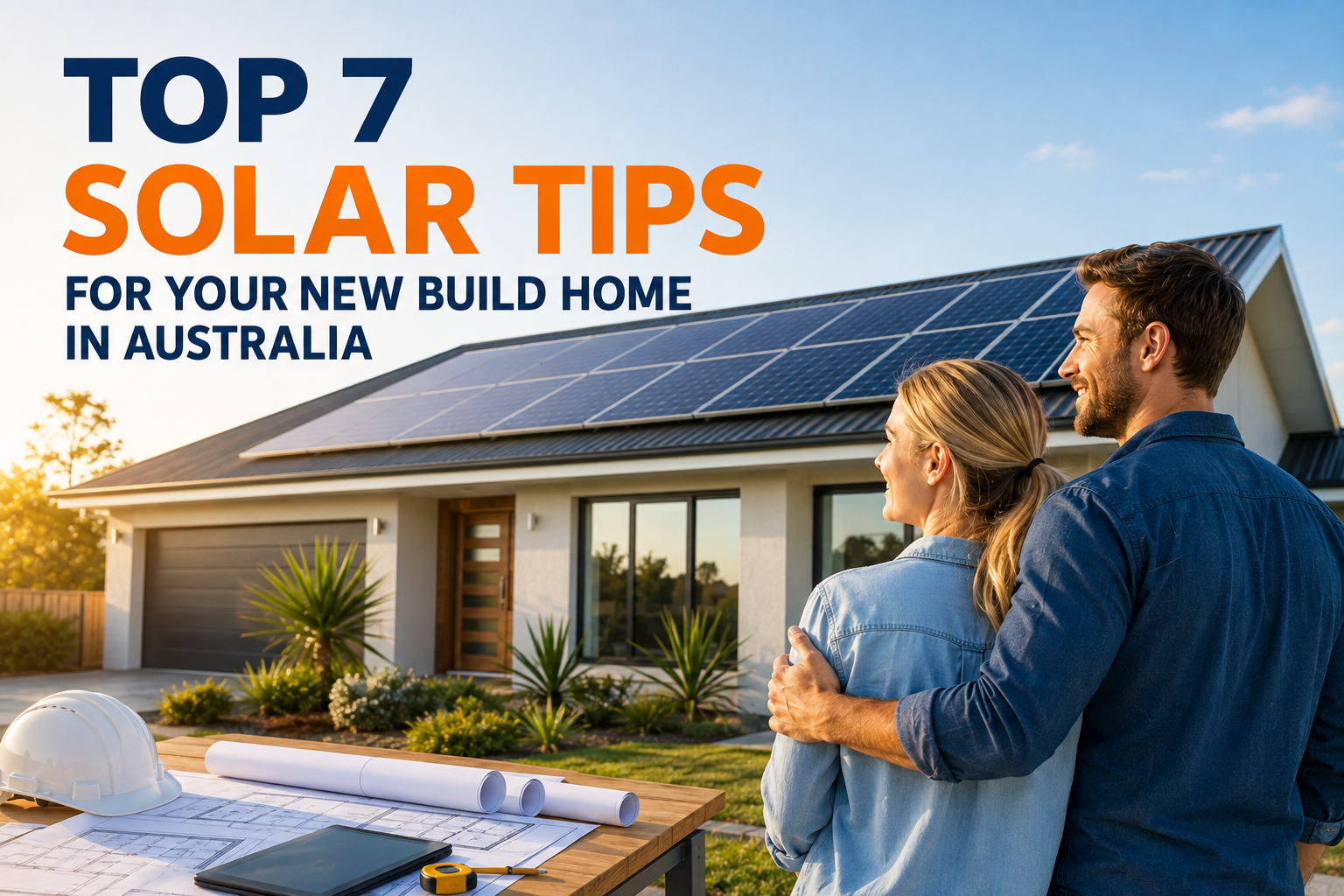
Building a new home is the perfect opportunity to plan for a cleaner, more energy-efficient future. Instead of adding solar panels after construction, incorporating solar into your home’s design from the beginning can reduce installation costs, improve system performance, and provide greater flexibility for future upgrades.
Many homeowners focus on floor plans, finishes, and appliances while overlooking the importance of roof design, electrical planning, and battery readiness. These decisions can significantly impact how efficiently your solar system performs over the next 25 years.
At Solar Authority, we recommend thinking about solar before construction begins. By planning ahead, you can optimise roof space, simplify installation, and create a home that’s ready for rising electricity prices and evolving energy technologies.
In this guide, we’ll share seven practical solar tips to help you build a home that’s efficient, future-ready, and designed to maximise long-term savings.
Why Plan Solar During Construction?
Installing a solar system during the construction phase offers several advantages over adding one after your home is complete. Builders and electricians can prepare the property for solar by incorporating conduits, allocating inverter space, and designing the roof to maximise solar production.
Planning ahead also helps avoid unnecessary installation costs, reduces visible cabling, and makes future upgrades such as battery storage or EV charging much easier.
Whether you’re building your first home or your forever home, designing with solar in mind is one of the smartest long-term investments you can make.
1. Choose the Right Power Supply
One of the first decisions you’ll make during construction is whether your home will have single-phase or three-phase power. This choice can influence the size of your solar system and how efficiently it operates.
Single-phase power is suitable for many Australian households with average electricity consumption. However, larger homes with swimming pools, ducted air conditioning, workshops, electric vehicle chargers, or multiple high-powered appliances may benefit from three-phase power.
Choosing the correct electrical setup early ensures your solar system can comfortably support your household’s energy requirements both now and in the future.
Why It Matters
- Supports future energy upgrades
- Better for larger solar systems
- Ideal for electric vehicle charging
- Improves overall energy distribution
2. Design a Solar-Friendly Roof
Your roof plays one of the biggest roles in determining how much electricity your solar system can generate. Even premium solar panels cannot perform efficiently if roof design limits sunlight exposure.
When designing your home, aim to maximise usable roof space by reducing unnecessary obstructions such as skylights, vents, chimneys, and roof features where possible. A simple roof layout provides greater flexibility for solar panel placement and often improves system performance.
Roof orientation is equally important. North-facing roofs generally receive the highest solar exposure throughout the day, while east and west-facing roofs can also provide excellent energy generation depending on your household’s electricity usage.
Solar-Friendly Roof Tips
- Maximise uninterrupted roof space
- Minimise skylights and roof vents
- Reduce shading wherever possible
- Consider north-facing roof sections
- Leave sufficient space for future expansion
Planning these details during construction helps your installer design a more efficient and visually appealing solar system.
3. Plan for Future Battery Storage
Even if you’re not planning to install a solar battery immediately, preparing your home for battery storage during construction is a smart investment.
Battery technology continues to improve, and many homeowners choose to add storage several years after installing solar panels. Leaving space for a battery and selecting battery-compatible equipment now can save significant installation costs later.
You should also consider future additions such as electric vehicle chargers or home energy management systems, which often integrate with modern battery storage solutions.
Future-Proof Your Home
Consider allowing space for:
- Solar battery installation
- Hybrid inverter
- Electric vehicle charger
- Smart energy management system
- Additional battery capacity
A little planning today can make future upgrades faster, simpler, and more affordable.
4. Install Conduits Before the Walls Are Finished
One of the easiest ways to reduce future installation costs is by installing electrical conduits during construction.
Conduits allow solar cables to run neatly through walls and ceilings without requiring additional drilling or exposed cabling after the home is completed. This creates a cleaner appearance while simplifying future maintenance and upgrades.
Installing conduits during construction is inexpensive compared to retrofitting them later and provides greater flexibility if you decide to expand your solar system in the future.
Benefits of Pre-Installed Conduits
- Cleaner cable management
- Faster solar installation
- Reduced labour costs
- Better home aesthetics
- Easier future battery upgrades
- Simplified maintenance
Solar Authority Expert Tip
The best time to prepare your home for solar is before construction is complete. Decisions made during the design stage—such as roof layout, electrical infrastructure, conduit placement, and battery readiness—can significantly improve your solar system’s efficiency while reducing future installation costs.
By planning ahead, you’ll create a home that’s ready to maximise renewable energy, lower electricity bills, and adapt to future technologies such as battery storage and electric vehicle charging.
5. Choose Energy-Efficient Appliances
Installing solar panels is only part of creating an energy-efficient home. The appliances you choose also have a significant impact on how much electricity your household consumes. By selecting energy-efficient appliances from the start, you can maximise the benefits of your solar system and reduce your ongoing power bills.
Look for appliances with high Energy Star ratings, as they are designed to use less electricity without compromising performance. LED lighting, inverter air conditioners, induction cooktops, and heat pump hot water systems are all excellent choices for modern Australian homes.
Using efficient appliances also allows more of the electricity generated by your solar system to power your home instead of being wasted.
Smart Appliance Choices
- LED lighting throughout your home
- Energy-efficient air conditioning
- Heat pump hot water systems
- Induction cooktops
- High Energy Star-rated appliances
- Smart home energy monitoring devices
Making these choices during the building stage helps lower your household’s energy consumption for many years to come.
6. Minimise Trees and Roof Shading
Solar panels generate the most electricity when they receive direct sunlight. Even partial shading from trees, neighbouring buildings, chimneys, or roof structures can reduce your system’s overall performance.
When designing your new home, consider both current and future shading. Small trees planted today may grow large enough to cast shadows over your roof in the coming years.
If landscaping is part of your building project, position larger trees away from the primary solar panel installation area. Your builder and solar installer can also help identify the best roof sections for maximum sunlight exposure throughout the day.
Ways to Reduce Shading
- Keep north-facing roof areas clear
- Position trees away from solar panels
- Minimise roof obstructions where possible
- Consider future tree growth
- Maintain regular tree pruning
A well-planned roof with minimal shading can significantly improve your solar system’s energy production and long-term savings.
7. Choose the Right Solar Installer Early
One of the biggest mistakes homeowners make is waiting until construction is complete before contacting a solar installer. Engaging an experienced installer during the planning stage ensures your home is designed with solar in mind from the beginning.
A professional installer can work alongside your builder to recommend the ideal system size, roof layout, inverter location, switchboard design, and battery-ready infrastructure. Early planning also helps avoid costly changes once construction is underway.
Choosing a trusted installer gives you confidence that your solar system will be installed correctly and perform efficiently for many years.
What to Look for in a Solar Installer
- Experience with new build homes
- High-quality solar products
- Clear warranty support
- Customised system recommendations
- Battery-ready installation expertise
- Strong customer reviews
Working with an experienced installer early in the building process helps ensure every part of your solar system is planned for maximum performance.
New Build Solar Checklist
Before construction is complete, make sure you’ve considered the following:
✔ Choose the correct electrical supply (single-phase or three-phase)
✔ Design a roof with sufficient space for solar panels
✔ Minimise roof obstructions such as vents and skylights
✔ Install conduits for future solar cabling
✔ Prepare space for a battery and hybrid inverter
✔ Allow for future EV charger installation
✔ Select energy-efficient appliances
✔ Reduce future shading from trees
✔ Engage a trusted solar installer before construction finishes
Planning each of these items early can make your solar installation faster, more affordable, and better suited to your home’s future energy needs.
Frequently Asked Questions
Is it better to install solar during a new home build?
Yes. Planning for solar during construction is often more cost-effective than installing it later. It allows for better roof design, concealed cabling, and easier integration with your home’s electrical system.
What roof direction is best for solar panels?
North-facing roofs generally provide the highest solar energy production in Australia. However, east and west-facing roofs can also perform well depending on your household’s energy usage patterns.
Should I prepare my home for a solar battery?
Yes. Even if you don’t install a battery immediately, leaving space for a hybrid inverter, battery storage, and additional electrical infrastructure can save time and money in the future.
Do I need three-phase power for solar?
Not always. Many homes perform well with single-phase power. However, larger homes with high electricity demand, electric vehicle chargers, or larger solar systems may benefit from three-phase power.
Can I add an EV charger later?
Yes, but planning for it during construction is recommended. Installing the necessary electrical infrastructure early makes future installation simpler and more affordable.
How much roof space do I need for solar panels?
The amount of roof space depends on the size of the solar system you plan to install. A qualified solar installer can help determine the most suitable layout based on your roof design and household energy needs.
Final Verdict
Building a new home gives you the perfect opportunity to create an energy-efficient property that’s ready for the future. By considering solar during the planning and construction stages, you can optimise roof design, reduce installation costs, and make future upgrades such as battery storage and EV charging much easier.
Simple decisions like choosing the right roof orientation, preparing for battery storage, installing conduits, and selecting energy-efficient appliances can have a significant impact on your home’s long-term performance and electricity savings.
At Solar Authority, we believe the best solar systems begin with smart planning. Designing your home with solar in mind from day one helps maximise renewable energy generation, reduce reliance on the electricity grid, and increase your property’s long-term value.
Whether you’re building your first home or your forever home, taking the time to prepare for solar today will help you enjoy lower energy costs and greater energy independence for many years to come.