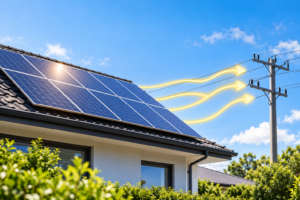

Adding a solar battery to your rooftop solar system is one of the smartest ways to maximise your energy independence and cut power bills — especially as more Australians install energy storage systems under current rebate programs like the Cheaper Home Batteries Program.
But not all batteries are the same. Choosing the right battery type for your home can make a big difference in performance, lifespan, cost and whether you get backup power when you need it most.
At Solar Authority, we help homeowners understand the differences so you get the best fit for your energy needs.
🔋 Why Battery Type Matters
Every battery chemistry has its strengths and trade-offs — from upfront cost and usable energy to lifecycle and maintenance. Understanding these differences ensures you get a system that:
· Stores more solar energy
· Lasts longer
· Delivers real savings year after year
· Meets your backup power expectations
🔹 1. Lithium-Ion Batteries — Australia’s Most Popular Choice
Lithium-ion batteries dominate the Australian solar battery market — and for good reason.
Key Features
· High energy density (more storage per size)
· Excellent efficiency (most energy is usable)
· Long lifespan (often 10+ years)
· Lightweight and compact
Most Common Subtypes
· LFP (Lithium Iron Phosphate) – extremely stable and safe with strong long-term durability.
· NMC (Nickel Manganese Cobalt) – higher energy density in a smaller package but usually at higher cost.
Best For
✔ Australian homes wanting maximum electricity savings ✔ Households planning to use solar power overnight ✔ Those interested in backup power and VPP participation
Why Solar Authority recommends lithium-ion: Most lithium-ion batteries achieve high depth of discharge and efficiency compared with older technologies, meaning more of your stored energy can be used effectively.
🔹 2. Lead-Acid Batteries — Budget-Friendly But Older Tech
Lead-acid batteries were once the go-to option for solar storage. They’re still around but have largely been replaced by lithium-ion for grid-connected homes.
Pros
· Lower upfront cost
· Proven, long-standing technology
Cons
· Lower usable capacity and efficiency
· Heavier and bulkier
· Shorter lifespan and more maintenance
Use Cases
✔ Off-grid setups ✔ Backup-only systems ✔ Projects where cost is a primary concern
Even though they’re cheaper, they typically don’t deliver the same long-term value or performance as lithium-ion systems for modern home storage.
🔹 3. Flow Batteries — Emerging and High-Capacity Potential
Flow batteries use liquid electrolytes stored in external tanks and can deliver 100% depth of discharge, meaning all stored energy can be used.
Key Benefits
· Can discharge fully without harm
· Large energy capacity possible
· Durable and safe
Limitations
· Higher upfront cost
· Typically suited for larger homes or commercial systems
· Less common in residential rooftop setups
Flow batteries are an exciting technology but currently remain a niche option for most Australian households.
🔹 4. Other Emerging Battery Types
While less common today, other battery technologies are under development or in early adoption stages. These include:
· Sodium-ion batteries – fully recyclable, safer and wide operating range, but currently more expensive and less widely available.
· Solid-state batteries – promising ultra-high safety and energy density, though not yet mainstream.
These future technologies could become more mainstream in the coming years as innovation continues.
🧠 Battery Specs That Matter
When comparing battery types, here are key technical terms to understand:
⚡ Capacity (kWh)
How much energy the battery can store — more kWh means bigger overnight usage or greater grid independence.
🔄 Depth of Discharge (DoD)
Percentage of the battery’s capacity that can be used safely. Lithium-ion batteries often allow 80–95% DoD.
🔋 Efficiency
A measure of how much stored energy the battery gives back — higher efficiency means less wasted energy.
🔁 Cycle Life
How many charge/discharge cycles the battery can complete before performance drops significantly — a key factor in lifespan.
Understanding these specs helps you compare battery technologies side-by-side.
⚖️ Choosing the Right Battery for Your Home
At Solar Authority, we tailor recommendations to match:
· Your daily electricity use
· Roof solar generation potential
· Budget and rebate eligibility
· Backup power requirements
Lithium-ion batteries remain the top choice for most Australian homes thanks to performance, safety and long lifespan. But every household is unique — and we’ll help you find the right solution.
📌 Battery Trends in Australia
Solar battery adoption is growing quickly as incentive programs like the Cheaper Home Batteries Program make storage more accessible and affordable.
This means households are increasingly choosing storage systems that help maximise solar self-consumption and bill savings while enhancing resilience against grid outages.
Ready to Choose Your Solar Battery?
Whether you’re upgrading an existing solar system or planning a new install, Solar Authority can help you understand your battery options, rebate eligibility and system design for 2026 and beyond.
Contact us today for a free solar battery consultation and customised quote.