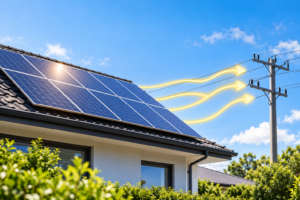

Solar energy is one of the fastest-adopted clean technologies in Australia. Rooftop solar systems have grown dramatically as residents look to reduce energy bills, lower carbon emissions, and gain energy independence. But before choosing solar, it’s important to understand both the benefits and limitations so you know exactly what to expect.
🌞 What Is Solar Energy?
Solar energy refers to electricity generated by converting sunlight into electrical power using photovoltaic (PV) panels. Paired with inverters and optional batteries, these systems can reduce grid reliance and boost household energy savings.
✅ Pros of Solar Energy
1. 💸 Lower Electricity Bills
Solar systems generate your own power, which means you buy less electricity from the grid. Many Australian households save hundreds to thousands of dollars each year, especially in states with high electricity costs.
Tip: Pairing solar with a battery increases self-consumption and cuts grid purchases even further.
2. 🏆 Government Rebates Reduce Upfront Cost
Australia’s Small-scale Technology Certificate (STC) rebate scheme helps reduce the initial cost of solar panels and eligible batteries — often saving thousands at the point of installation.
Smart strategy: The earlier you install, the more STC value you can capture before the scheme phases down.
3. 🌍 Environmentally Friendly
Solar power produces zero emissions while generating electricity, helping reduce household carbon footprint and combat climate change. It’s a clean, renewable source that doesn’t rely on fossil fuels.
4. 🏡 Increase in Property Value
Homes with rooftop solar systems are often valued higher on the market because they offer lower running costs and energy independence — a growing selling point for eco-conscious homebuyers.
5. 📉 Low Maintenance & Long Life
Solar panels have no moving parts, which means minimal wear and tear. Most systems require little maintenance and can last 25+ years with proper installation and periodic cleaning.
6. 💡 Energy Independence & Resilience
Generating your own electricity reduces reliance on retail electricity price fluctuations and supply insecurity. Adding a solar battery enhances resilience by storing energy for night-time use or grid outages.
7. ⚡ Smart Energy Integration
Modern solar systems can integrate with home energy management systems, smart meters, EV chargers and home batteries — enabling streamlined energy use, cost management and automation.
⚠️ Cons of Solar Energy
1. ☀️ Performance Depends on Solar Resource
Solar panels generate electricity only when the sun is shining. Output varies with weather, time of day and panel orientation. On cloudy or short winter days, generation may be lower.
Solution: A battery can store surplus for later use or supplement during low-sun periods.
2. 💵 Upfront Cost Can Be High
Even with rebates, initial investment in a solar system — and especially when including a battery — can be significant. However, most homeowners recoup this investment through long-term bill savings.
3. 📏 Installation Requires Suitable Roof Space
Not all roofs are ideal for solar. ✔ North-facing roofs work best ✔ Sufficient unshaded area is needed ✔ Multiple roof angles or obstacles can complicate layout and reduce performance.
Installer tip: Roof shading and tilt should be assessed professionally before system design.
4. 🧠 Battery Limitations
Batteries improve self-consumption but add to upfront cost and require careful sizing. Their lifespan (typically ~10 years) may be shorter than the solar panels themselves.
5. 📜 Complexity of Feed-in Tariffs & Pricing Plans
Solar owners must navigate feed-in tariffs (credits for exported solar electricity) and time-of-use pricing structures. These can vary widely between states, retailers and even within the same network.
Smart approach: Compare retailer plans carefully to maximise solar value.
📈 Solar Energy — What It’s Not
Solar doesn’t eliminate all energy bills It doesn’t directly heat water unless integrated with heat pumps or solar hot water Panels don’t generate after dark unless you have storage Not all consumers will generate more than they use
These are not faults — they simply reflect how the technology works. With smart design and load management, solar still delivers major benefits.
📌 Pros & Cons at a Glance
Pros Cons
Reduces electricity bills Solar output depends on sun
Government rebates cut
costs Upfront investment required
Environmentally friendly Roof suitability matters
Low maintenance Batteries add cost
Boosts property value Tariffs and plan choices vary
Energy independence Requires smart usage planning
📌 FAQs — Solar Energy in Australia
Q: Are solar panels worth it in Australia? Yes — many Australian households save money within 3–7 years and continue benefiting for decades after.
Q: Do solar panels work on cloudy days? Yes — they still produce energy, just at lower output compared to sunny conditions.
Q: How long do solar systems last? Panels typically last 25+ years, and inverters 10–15 years depending on quality and usage.
Q: Do I need a battery with solar? No — but a battery improves self-consumption and helps reduce grid purchases at night or during peak tariffs.
🏁 Conclusion — Solar Energy Is a Smart Long-Term Choice
Solar energy delivers clear financial, environmental and lifestyle benefits — from lower electricity bills and increased property value to reduced carbon emissions and greater energy independence. While there are some limitations — such as upfront costs and reliance on sunlight — the long-term payoff and rebate support available in Australia make solar an attractive and future-ready investment.
Whether you’re ready to install your first system, upgrade to a larger array, or add battery storage, Solar Authority can help you choose the right configuration based on your home, budget and long-term energy goals — contact us for a personalised solar plan!