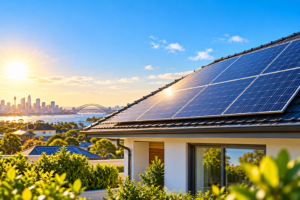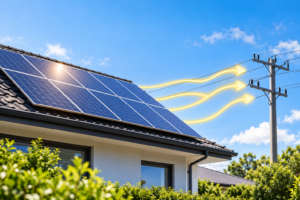

Investing in solar is one of the smartest ways homeowners can cut electricity bills, increase property value, and reduce carbon footprints. But understanding installation costs — what goes into pricing, typical ranges, rebates and ways to save — helps you budget confidently before going solar.
📊 Solar Panel Installation Costs — What You Can Expect
Solar panel installation costs in Australia vary based on system size, components, roof conditions and location, but here’s a snapshot of typical prices after federal rebate incentives in 2026:
System Size Installed Cost (After Rebates)
3 kW ~$3,980 – $5,000
5 kW ~$5,240 – $6,500
6.6 kW ~$6,669 – $8,245
8 kW ~$8,250+
10 kW ~$9,400 – $9,700
Note: These figures reflect common retail pricing across major cities and regions and include the federal Small-scale Renewable Energy Scheme (STC) rebate discount.
🔍 What Determines Solar Installation Costs?
📌 1. System Size (kW)
A bigger system produces more electricity — but also costs more upfront. The cost per watt tends to decrease as system size increases, meaning larger systems often deliver better value per kW.
📌 2. Panel Quality & Brand
Premium panels with higher efficiency and stronger warranties (e.g., SunPower, REC) typically cost more than mid-range or budget options but may deliver better long-term output.
📌 3. Inverter Type
The inverter converts solar DC power to usable AC power. Choices include:
· String inverters – economical and common
· Microinverters – higher performance in shade but more expensive
· Hybrid inverters – future-proofed for batteries, often pricier
📌 4. Installation Complexity
Steep, multi-storey or cramped roofs require more labour and safety measures, increasing prices. Roof material and access also matter.
📌 5. Location & Rebates
Costs differ regionally based on labour rates and demand. STC rebates significantly reduce upfront install costs — but the exact value depends on postcode and system size.
🪙 Government Rebates & Incentives
Australia’s Small-scale Renewable Energy Scheme (SRES) lets homeowners claim Small-scale Technology Certificates (STCs) that are converted to upfront discounts, shrinking solar installation bills. This rebate is one of the biggest reasons residential solar can be so affordable.
Other state incentives may be available in some areas, such as additional rebates or low-interest loans that further reduce costs.
📉 Ways to Reduce Your Solar Costs
✔ Size your system to your usage — oversizing wastes dollars; undersizing limits savings. ✔ Choose the right inverter for your future needs — hybrid models add value if you plan batteries later. ✔ Get multiple quotes from accredited installers — competition helps bring down pricing. ✔ Time your install — peak discount windows sometimes offer better STC values.
📌 Typical Cost Breakdown (Approximate)
While total costs vary, a rough industry breakdown suggests:
· Panels & racking: ~25–35% of total cost
· Inverter & electrical gear: ~25–35%
· Labour, design, compliance: ~30–40% (These percentages are estimates from installer studies and installer discussions. Pricing structures vary widely.)
❓ FAQs — Solar Installation Cost
Q: Why do quotes from installers differ so much? Different installers factor in panel brands, inverter quality, labour overhead, warranty terms and profit margins — so getting multiple quotes ensures competitive pricing.
Q: How much does a 10 kW system cost in 2026? On average after rebates, expect around $9,000–$10,000 for a quality installed 10 kW system.
Q: Does location affect pricing? Yes — labour rates, installer competition, and regional demand can shift pricing by state or city.
Q: Are cheaper solar systems always better value? Not necessarily — cheaper systems may use lower-efficiency panels or cheaper inverters, which can reduce performance and long-term savings. Quality and warranty matter.
🏁 Conclusion — Understanding Your Solar Investment
Solar installation costs in Australia have become very competitive and affordable, especially once government rebates are applied. A well-sized and well-installed system can often pay for itself through ongoing electricity bill savings over time while reducing your carbon footprint.
By understanding what drives costs, comparing quotes, and selecting the right equipment for your needs, you can make a smart solar investment that boosts energy independence and long-term savings.
Solar Authority can help you estimate costs, compare options, and design a tailored solar solution for your home — contact us for a personalised solar quote today!